
Regional Assessment in the Ring of Fire Area
Aabitaad/Megwaad/Piatamah/Interim Report for the Regional Assessment within Kawana ‘Bi 'Kag/ Biiwaapiko'kaning''/Kahwanna Bay Yak (the Ring of Fire Area)
Document reference number: 250
Prepared by the Regional Assessment Working Group
"Only work cooperatively and work with each other in kindness (kiizhewadiziwin), if you prioritize this you will be able to work well together"
"This report cannot be a summary of findings that sit on a shelf and collect dust. We must see implementation of a plan that will benefit the health and quality of life in our communities"
"Partners Decide Together"
Quotes by RAWG Elders and members
On this page
- Summary
- Acknowledgement of Ancestors, Elders, Youth, Knowledge Keepers, land users, community members and future generations
- 1. Guiding Text from the Terms of Reference
- 2. Milestones
- 3. Community Engagement and RAWG Sharing
- 4. Priorities, Gaps and Recommendations
- 5. Conclusion
- Appendix 1 – List of Recommendations and Priority Work
- Appendix 2 – Summary of Technical Workshops to Date
- Appendix 3 – RAWG's Early Work on Scenario Development
- Appendix 4 – Overview of Federal Roles and Responsibilities
- Appendix 5 – Information and Data Submitted to the Regional Assessment Working Group
- Appendix 6 – Glossary of Terms found in the Interim Report
Summary
In January 2023, leaders and members from 15Footnote 1 First Nations from Matawa and Mushkegowuk territories and Weenusk First Nation met with the federal Minister of the Environment and Climate Change along with representatives of the Impact Assessment Agency of Canada (IAAC). They agreed to establish a Working Group (the Regional Assessment Working Group or "RAWG") and to begin a co-led process for a regional assessment in the area commonly referred to as the Ring of Fire. This environmentally sensitive area of boreal forest and peatlands in Ontario's far north and James Bay lowlands, is locally known in Anishinaabemowin (Ojibwe) as Kawana ‘Bi ‘Kag, meaning hole in the ground; in Oji-Cree as Biiwaapiko'kaning", meaning land of metal; and in Ininimowin (Cree) as Kahwanna Bay Yak, meaning watery hole as you walk through muskeg.
Guided by the Terms of Reference (finalized in January 2025), the Regional Assessment process will serve to achieve several objectives, including to assess the potential positive and negative effects, including cumulative and interactive effects, due to possible development activities, within Kawana ‘Bi 'Kag/ Biiwaapiko'kaning"/ Kahwanna Bay Yak. The Regional Assessment will also identify and provide recommendations on how the cumulative and other effects may best be managed to avoid adverse consequences and enhance positive ones. The Regional Assessment itself is not a decision-making process, but will serve to inform other decision-making processes. It does not intend to duplicate project-specific assessments, but rather to support the identification and management of issues that are beyond the scope of single projects.
This Interim Report is an update on the progress of the Regional Assessment. The Terms of Reference require that the Interim Report includes:
- findings on community and regional conditions and priorities;
- possible development scenarios; and
- knowledge gaps and uncertainties identified so far in the process.
Since the findings and recommendations contained within the Interim Report will continue to evolve throughout the Regional Assessment, the Report is given titles that mean "for now":
- Aabitaad in Anishinaabemowin (Ojibwe)
- Megwaad in Oji-Cree
- Pitamah in Ininimowin (Cree)
Partnership and Engagement
The Regional Assessment is made possible by a unique partnership between First Nations and IAAC. The partnership aims to be a meaningful example of a co-led process, while improving transparency and Nation-to-Nation relationships. Each partner brings their own perspectives and mindset to the process. Through consensus building exercises and open, transparent dialogue, the RAWG aims to close gaps in understanding and bring together the priorities of each community.
It is essential that the Regional Assessment is guided by the voices and wisdom of Elders, Youth, land users, and other community members. First Nation Partners strive to bring community knowledge and expertise to the process in the spirit of sharing and educating each other, as well as the public and Indigenous People throughout Canada. This process is intended to be inclusive, in support of the objectives of the Regional Assessment, at the core of which are transparency and respect for the community members whose lives will be affected by these processes.
The RAWG aims to conduct the process in a manner that advances reconciliation by building trust and learning from each other. The First Nation Partners and IAAC recognize communication and the transmission of knowledge from the First Nation Partners' community members as a key challenge and opportunity. The Partners rely on guidance from Elders, and support from Matawa and Mushkegowuk Councils, to collaborate across different mindsets and ensure the Regional Assessment retains a community-driven focus. The Regional Assessment will work to overcome interpretation and translation challenges, as well as issues with limited capacity and deadlines, in part by including oral and visual ways of communicating and sharing information. This is with the intent of ensuring that First Nations' voices are heard.
The RAWG has already made good progress, but the bulk of the work lies ahead. Timelines and resources continue to be issues for many First Nation Partners, making it difficult to move forward together equitably. It is important to recognize and respect the challenges and inadequate resources faced by the First Nation Partners, including dire emergency and crisis conditions. As such, although this Interim Report is based on discussions that involved all Partners at key times throughout the last 12 months, not all partners were able to contribute equally due to capacity and resource issues. It is important to note that this Report does not bind any First Nation Partner to the views it expresses or recommendations it may make.
"Cumulative effects are not new, we live, lived and will continue to live them."
Quote by RAWG member from partnered First Nation
The RAWG also recognizes that several areas it must assess are within provincial expertise. The RAWG will identify specific needs and request information from Ontario as needed.
Information Gathering, Findings and Scenario Building
The voices and values of each partner led to the assessment priorities set out in the Terms of Reference. These are:
- to be well together (community wellbeing)
- cultural and spiritual wellbeing
- social and economic equity
- healthy environment relationships
Since the beginning of the conduct phase in January 2025, the RAWG has been gathering information about these priorities, and discussing ways to address gaps, uncertainties and opportunities. This has been done through, for example, community engagement, expert workshops, requests to federal departments and agencies, public requests for information and data, and contracting technical studies.
At the same time, the RAWG is developing ways to understand changing conditions and their impacts on the assessment priorities, through "development scenarios". In these scenarios, different potential levels and types of development are tested out, in relation to the priorities that they would impact. These scenarios will help improve decision-making, in line with community values.
The RAWG has already identified several urgent issues and recommendations:
- Conditions and access to health and social services are profoundly inadequate. Travel to obtain healthcare is a major barrier to wellbeing. Funding and capacity gaps in healthcare (especially mental health) need to be addressed urgently, before any additional development can be considered. First Nations need ceremony and cultural practices, guided by Elders, to heal from harm that continues into the present. First Nation Partners request a commitment from the Government of Canada to address funding and capacity gaps for access to health and social services as an immediate priority.
- Coming together, in unity, to map community values is an important next step. This will build a shared understanding of First Nations' relationship with the land and what must be preserved and protected. This work will identify what changes may occur and the impacts on inherent and Treaty rights. Indigenous governance and natural law will be the cornerstones of a sustainable future.
- The cost of living in remote communities represents large social and economic inequity. A study is underway to better understand the various factors that contribute to high cost-of-living. The study will help to identify measures to reduce cost-of-living inequity. Economic development can be positive, as long as it improves health and community wellbeing.
- Too little is known of past and existing environmental conditions in the region, since previous and ongoing programs are sparse, short-term and underfunded, and primarily based on western science. Comprehensive baseline monitoring must be community-driven and started immediately, and before any development occurs, as climate change is already creating extreme shifts in conditions. Western scientific data is insufficient and must be paired with the extensive Elder and land user expertise to be relevant.
Next steps
The RAWG will continue to update and share information gathered throughout the Regional Assessment leading up to the Final Report, using the IAAC Internet Site and the Information Sharing Platform. Exceptions and safeguards will be put in place for confidential Indigenous Knowledge and information.
In the coming months, members of the RAWG will continue to focus efforts on engaging with the partnered First Nation communities and will also conduct engagement activities with the public and other Indigenous participants.
Community engagement facilitates the sharing of key information from the Regional Assessment process with Elders, Youth, land users, knowledge keepers and community members alike. Discussions include positive, negative, and cumulative impacts that may result from development activities, as well as the effects of proceeding without any additional development.
These engagements will help to develop a deeper, shared understanding of community values. It will also help define development scenarios by assessing existing and potential impacts from development activities or the lack of development.
Most importantly the invaluable feedback received through community-level engagement with First Nation Partners is representative of respect for the future, the next seven generations to come, and beyond.
Acknowledgement of Ancestors, Elders, Youth, Knowledge Keepers, land users, community members and future generations
The work of the RAWG is done in recognition of the Ancestors, Elders, Youth, Knowledge Keepers, land users, community members and future generations. Fifteen communities have provided expertise, wisdom, and traditional knowledge about the inherent relationship between the Mother Earth, water, sky, the four-legged, the crawlers, the swimmers and the winged, as well as the medicinal plants and trees, all integral to the many cycles of renewal and change since time immemorial. The members of the 15 communities also educate all who engage in the Regional Assessment, sharing their experience, expertise, knowledge, language, translation and interpretation, traditional economies, ceremonies, laws, socioeconomics and intergovernmental relationships and negotiations.
The RAWG acknowledges the gift of this shared knowledge with gratitude and commits to continued knowledge seeking from community members as well as the provision of updates to community members, throughout the 30-month conduct phase process. The final recommendations will represent a flow of knowledge and information from the RAWG delegates to their respective Elders, Youth and community members, then from all partners to Chiefs, local Indigenous, provincial and federal governments and to Indigenous Peoples nationally as well as the public.
Stand out box 1. Artist Acknowledgement
The RAWG also acknowledges the artists who contribute their talents to the Regional Assessment. Particularly for the illustrations in this report: Harry Papah, Eabametoong First Nation, and Emma Allgood, friend of the RAWG.
1. Guiding Text from the Terms of Reference
This Interim report includes key sections from the Terms of Reference to honour the RAWG's established commitments and to help facilitate the engagement efforts.
Guiding principles
The participating First Nations and the Government of Canada share the hopeful objective that this Regional Assessment will be an important step in building the experience, trust, and capacity needed, on all sides to advance Nation-to-Nation relationships, and commit to undertaking them honourably and diligently, remembering what is at stake.
The RAWG is implementing this objective by following these nine key principles:
- Place Indigenous values, interests and priorities at the forefront of the assessment process. These values and interests have come from the many different First Nation community perspectives and languages.
- Be collaborative, co-led and undertaken in an interdisciplinary and holistic approach that uses both Indigenous Knowledge systems and western science. This process will be driven by the First Nation Partners' communities along with the guidance of IAAC. The combining of traditional values and teachings, along with western perspectives, will enrich the processes and give understanding of community processes.
- Ensure the information gathering process and analysis is founded on a shared understanding of sustainability developed between IAAC and the First Nation Partners (e.g. community-based priorities and criteria) and considers inter- and multi-generational perspectives (Seven Generation teachings).
- Intentionally contribute towards a renewed relationship between Canada and Indigenous Peoples based on the recognition of rights, respect and partnership and concrete action towards reconciliation at all aspects of community governance throughout the process.
- Provide opportunities for building and sharing knowledge, including enhancing First Nation Partners' capacity to conduct and participate in relevant studies, activities, and contributions to the final Report.
- Maximize opportunities for meaningful participation by Indigenous Peoples and communities with interests, rights and values within the area of concern, as well as the public in general, this includes experts, non-governmental organizations and any other interest groups.
- Ensure that both assessment processes and outcomes are shared transparently, making participation in the assessment and use of the assessment results accessible, while being respectful of the confidentiality of certain information.
- Ensure traditional knowledge, Natural Law, customs and practices are woven into and central to the Regional Assessment.
- Ensure that First Nation Partners and other Indigenous Peoples maintain the right to control access to their traditional knowledge and other material items that relate specifically to their cultural heritage.
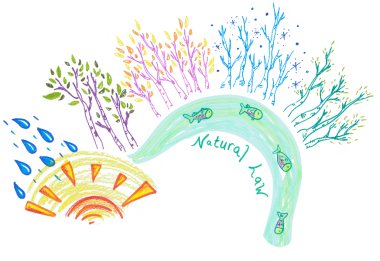
Natural law means the laws of the natural world, which are formally known as or translated as Natural or First Law and which form part of Indigenous legal systems. These laws come from the Creator and the Land through ancestral stories and teachings and therefore, they are sacred.
The Government of Canada remains committed to upholding section 35 of the Constitution Act, 1982, and the duty to consult, and the government's commitment to implementing the United Nations Declaration on the Rights of Indigenous Peoples, including free, prior, and informed consent. These commitments also guide IAAC's conduct in the Regional Assessment and assessment of proposed future development(s) in the assessment area under the Impact Assessment Act.
Assessment Area
The assessment area is where the Regional Assessment is taking place. This large area and what the "region" means to those who live there is largely what makes this process unique.
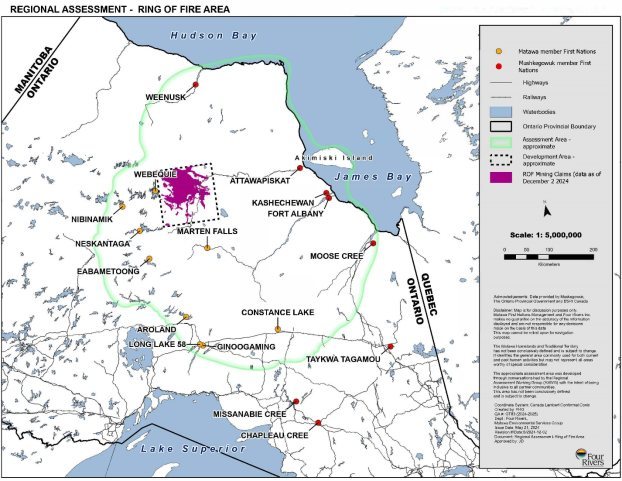
As defined in the Terms of Reference, it is important to remember that the assessment area includes the communities and traditional territories of the First Nation Partners and is the region most likely to experience the extent of positive and negative effects as a result of activities in the development area, as well as any associated infrastructure and induced development that may occur or has occurred in the region. In comparison, the development area means the area centered on the Ring of Fire mineral deposits in northern Ontario, which reflects the specific underlying geological formations that represent the Ring of Fire mineral deposits and where certain current and potential future development activities occur.
Purpose
The purpose of the Regional Assessment is to provide information on key priorities of importance to the First Nation Partners and the Government of Canada, in the assessment area, as well as to provide an analysis of the potential positive and negative effects, including cumulative and new, interactive effects, due to possible development activities throughout the assessment area.
The Regional Assessment will also identify and provide recommendations on how the potential cumulative and immediate effects may best be managed to avoid adverse consequences and enhance the positive. The Regional Assessment will make recommendations on what governance body or bodies are needed and follow-up steps.
The Regional Assessment is intended to inform and improve the effectiveness and efficiency of future impact assessments conducted under the Impact Assessment Act and support other decision-making processes in a way that helps to:
- Preserve Indigenous ways of life, traditions, laws, customs and oral history;
- Protect and improve the environmental, health, social, cultural and economic conditions of potentially affected communities;
- Protect and advance Aboriginal and Treaty rights, claims and interests within the assessment area; and
- Create opportunities for community and regional economic equity and sustainable development.
Objectives
The objectives of the Regional Assessment are:
- Gathering and providing information and knowledge related to environmental, health, cultural, social and economic conditions and their interconnections, as well as Aboriginal and Treaty rights, claims and interests, at the regional scale.
- Providing an understanding of potential positive and negative effects, including cumulative effects and potential impacts on Indigenous Peoples.
- Identifying innovative ways to avoid, reduce or eliminate negative effects and enhance positive effects of development in a way that fosters sustainability.
- Providing regional context for future developments and their assessments.
- Describing how the findings of the Regional Assessment should be considered and implemented to enhance the effectiveness and efficiency of future decision-making processes.
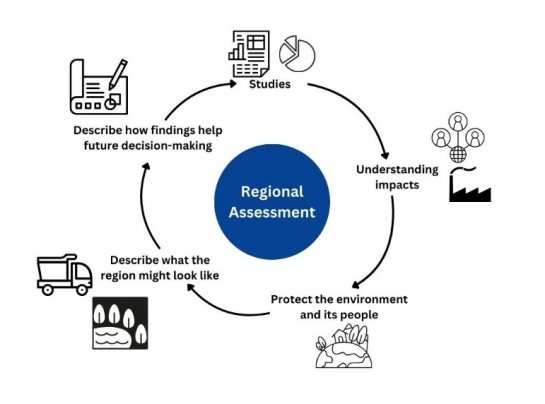
2. Milestones
Terms of Reference
The Terms of Reference constitute a historic achievement, bringing together 15 First Nations and the Government of Canada to co-lead the Regional Assessment in partnership.
It is the first ever regional assessment co-led with First Nations under the Impact Assessment Act. The way in which these Terms of Reference were developed reflects Canada's understanding of and commitment to reconciliation.
First Nation Partners who are signatory to these Terms of Reference include Aroland, Attawapiskat, Constance Lake, Eabametoong, Fort Albany, Ginoogaming, Kashechewan Cree, Long Lake #58, Marten FallsFootnote 2, Missanabie Cree, Moose Cree, Neskantaga, Nibinamik, Webequie, and Weenusk First Nations.
The Terms of Reference provide the opportunity for collaboration with the province of Ontario in the Regional Assessment. The RAWG recognizes that several priorities for the Regional Assessment would benefit from provincial expertise. The RAWG is identifying needs for specific information that will be requested from Ontario.
A full version of the Terms of Reference is available on the Internet Site in Anishinaabemowin (Ojibwe), Oji-Cree, and Ininimowin (Cree), English, and French. A Story Map of the Terms of Reference is also available on the Information Sharing Platform.
Stand out box 2. How we got here
Note: The full context that led to the request is mapped in Annex 1 of the Terms of Reference. The following provides a quick overview.
- First Nations live here since time immemorial and have been affected by colonization doctrines and policies since the 15th century. Treaty 9 was signed for the first time in 1905.
- Government policies and industrial pressures increased since the 1980's, with First Nations developing governance in parallel (Mushkegowuk and Matawa Councils formed in 1984 and 1988 respectively). In 2003, a mining exploration boom begins North of Marten Falls.
- In 2014, a Regional Framework Agreement is signed, which is dissolved in August 2019.
- October to December 2019 – Requests are made by Aroland First Nation, Wildlife Conservation Society Canada and Osgoode Environmental Justice and Sustainability Clinic for a regional assessment for the James Bay Lowlands under the Impact Assessment Act.
- February 2020 – Response from the federal Minister of the Environment and Climate Change, agreeing with the merits of conducting the Regional Assessment. Negotiations follow, and First Nations advocate for a co-led process that would ensure an equal seat at the table.
- January 2023 – The Minister and leaders from Matawa and Mushkegowuk territories commit to jointly leading the planning of the Regional Assessment. (Letter from the minister from February 15, 2023 in Appendix 1 of the Terms of Reference).
- January 2025 – The co-developed Terms of Reference were finalized and made public.
Maajitao, Majitata, Let's get to work.
The Conduct Phase Workplan, Maajitao/ Majitata
The Maajitao, in Anishinaabemowin (Ojibwe) and Ojicree, or Majitata in Ininimowin (Cree) means "let's get to work". This title was given to the work plan for the Regional Assessment, and it was completed on March 20, 2025. It defines the steps required to develop the Regional Assessment recommendations.
A diagram for the conduct phase was created using a blueberry as a visual metaphor. It represents a holistic, circular approach based on traditional sustenance as well as something we can all enjoy together. Waiting for berries to ripen and the seasonal tending reflects the process the RAWG undertakes to develop its recommendations in the 30-month conduct phase – working collectively together to make sure everyone shares in the harvest.
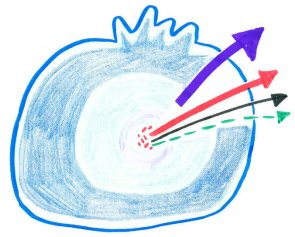
This diagram helps us remember the timelines of the project and the many steps to be taken. Some steps include IAAC reaching out to the public and Indigenous Peoples nationally, while other steps involve research, expert guidance and documentation, and scenario planning, all based on community engagement.
The work plan is available for all to see in Anishinaabemowin (Ojibwe), Oji-Cree, and Ininimowin (Cree), English, and French.
Charter
The conduct phase workplan, Maajitao/ Majitata, included developing an internal RAWG Charter. The Charter is the result of extensive work among the partners and supporting Matawa and Mushkegowuk Councils. It guides the RAWG's operations, enabling inclusion and fair processes for the many voices at the table.
The Charter supports and defines the group's shared mandate, principles, and procedures for decision-making, communication, and accountability. It reflects a co-developed, consensus-based model grounded in the spirit of partnership.
As a living document, the Charter will continue to evolve to meet the needs of the RAWG and the broader Regional Assessment.
Additional sources of expertise
The Regional Assessment is not like any other regional assessment. It is a co-led process with First Nation Partners taking key information back to their communities to gather valuable input and expertise. This means that direction and knowledge come from community Elders, Youth, Knowledge Keepers, land users and community members to help guide RAWG. This is the critical, missing piece, that is not at the centre of any other past regional assessments and has contributed to challenges preventing First Nations from participating equitably in decision-making.
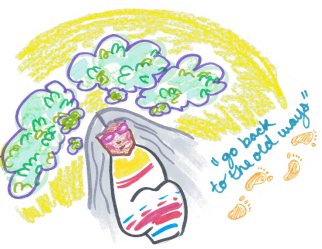
Two-eyed Seeing
The RAWG also seeks support from western knowledge so it can be weaved with Indigenous Knowledge. Where Indigenous- and western- scientific views differ in methodology and observation, each will be given their respective place, using "two-eyed seeing"; an approach that respects the distinct culture and traditions of each community.
Two-Eyed Seeing (Etuaptumumk in the Mi'kmaq language) is a concept that brings together Indigenous and Western worldviews to consider issues from multiple viewpoints. This framework was developed by Mi'kmaw Elder Albert Marshall of the Eskasoni First Nation who describes Two-Eyed Seeing as "to see from one eye with the strengths of Indigenous ways of knowing, and to see from the other eye with the strengths of Western ways of knowing, and to use both of these eyes together".Footnote 3
Embracing a Two-Eyed Seeing approach can result in new approaches that provide "key insights into the health and wellbeing of populations".Footnote 4 If we learn to see through both (or multiple) perspectives, we can draw from what is useful and relevant from both without one perspective dominating the other.
External Expert Supports
External expert supports assist the RAWG in accessing additional information on topics relevant to the Regional Assessment, such as interpretation and translation, legal matters, research, governance, Indigenous rights, environmental and social studies, economics.
The RAWG sent the Public Call for Interest for Expert Supports on March 24, 2025, and by April 2025 had compiled close to 90 expert supports. This roster is frequently updated to include additional external experts who the RAWG believes will benefit the Regional Assessment process.
Since March 2025, the RAWG has conducted workshops with external expert supports, drawing on knowledge in regional assessments throughout Canada, scenario development, industry and economics, and peatlands and permafrost. Those workshops and associated materials are summarized in Appendix 2.
Federal Agencies and Departments
The RAWG seeks support from federal expertise in accordance with the Impact Assessment Act, which says that federal agencies and departments can be required to provide specialist or expert information or knowledge to a group conducting a regional assessment, in an acceptable manner and within a specified period.
The RAWG expects federal experts to provide information and help with the conduct of studies in a manner that is culturally appropriate, respectful and inclusive. The Regional Assessment is a window of opportunity for partnerships between communities, academia, government and non-governmental experts, to combine Indigenous and western ways of knowing.
The Regional Assessment is also a timely process for federal agencies and departments that may have regulatory roles in the region to inform the RAWG of their roles and typical responsibilities. This will help identify key gaps regarding governance strategies and how they may be assessed to reflect regional and First Nation community needs. This information will help all partners to better predict consultation demands, future governance frameworks and related capacity needs.
Appendix 4 lists the roles related to assessment priorities for federal agencies and departments as of January 2025. Appendix 5 lists key submissions from federal agencies and departments and other participants' responses to the call for information. Appendix 5 will be posted in the Internet Site for the Regional Assessment and maintained for the duration of the Regional Assessment. The RAWG is continuing to analyze submissions from federal departments and agencies, and will issue follow-up requests as needed, and/or continue to engage federal departments and agencies for future technical workshops or other supports.
Regional Assessment GeoHubs and the Information Sharing Platform
A GeoHub is a website for organizing, visualizing and sharing geospatial data (information tied to a specific location) and other resources with the public or with internal partners.
Partners are developing three separate GeoHubs. These include hubs developed by Matawa Council's Four Rivers Group and Mushkegowuk Council and the public-facing Information Sharing Platform (ISP). All hubs are linked through a central landing page, creating a collaborative network that supports transparency and trust while respecting cultural values and data governance principles and sovereignty.
The terms for "GeoHub" are Teshipitakun in Ininimowin (Cree), Tesakoochigun in Oji-Cree, and Agoojiwanaakoon in Anishnaabemowin (Ojibwe), meaning "cache".
The RAWG's progress to date includes:
- several meetings to discuss structure and progress (IAAC, Four Rivers Group and Cree Geomatics);
- discussing best technical approaches with ESRI Canada to set up a distributed collaboration that would allow sharing maps, apps and layers with other organizations;
- building digital platforms (building the framework, gathering data and building content) to launch in 2026; and
- server upgrades at Four Rivers Group to support this initiative with a migration to ArcGIS Enterprise. Enterprise will allow for a larger reach, more storage capacity and improve data sovereignty as the information will be locally hosted.
The Information Sharing Platform is accessible to the public as of January 20, 2026. This supports the requirements for the Regional Assessment to openness and transparency, and it fulfills the Terms of Reference requirement of "sharing the information gathered to date in the form of a shared electronic platform".
The ISP serves as a navigation and visualization tool, helping users find and understand information quickly and intuitively. It provides:
- interactive maps displaying key data layers related to regional conditions, priorities, and possible development scenarios.
- a data catalogue linking to relevant sources of information.
- story maps and visual summaries that present findings in a clear, accessible, and culturally relevant format.
Next steps will include continued data gathering, building maps and apps for use within the hub, and developing training resources for users.
Stand out box 3. The RAWG Site
The RAWG Site was developed with the intention of being a secure private website where all partners could go to access key documents from all phases of the project. The RAWG Site was developed using ESRI's ArcGIS GeoHub platform and utilizes Dashboards and Story Maps to store/display data.
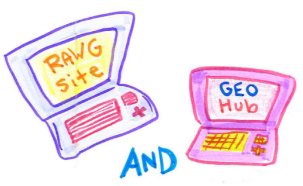
Development: The RAWG Site was developed out of a need by the Partners to have a simple to use place to access all Regional Assessment related documents. Four Rivers Group Geomatics staff worked with IAAC staff to develop the concept for the website, with construction of the site completed by Four Rivers Group. The site was developed using ESRI ArcGIS Technology, specifically the GeoHub platform under the Matawa's licensing agreement.
Management: The site is ultimately managed by the Partners with all 15 communities, along with support staff from IAAC, Mushkegowuk Council and Four Rivers Group supporting the management and direction of the site. Updates on the site are presented as needed at either virtual or in person meetings where feedback is gathered and the site is adjusted based on that feedback. Four Rivers Group staff maintain the back-end framework of the site, while the majority of the content has been uploaded by IAAC staff. All maintenance of the site will be completed by Four Rivers Group Geomatics staff.
Access: Each community has at minimum one user account to access the RAWG Site. Matawa member First Nations and IAAC staff accounts are set up and managed by Four Rivers Group under Matawa's licensing agreement, while Mushkegowuk member First Nations accounts are managed by Cree Geomatics under Mushkegowuk's licensing agreement.
The RAWG Site will also be linked to GeoHubs and to the Internet Site. One location to find all information pertaining to the Regional Assessment.
3. Community Engagement and RAWG Sharing
Community Engagement
Community engagement takes place in each First Nation Partners' community. It is led by a First Nation Partners' delegates, as well as community participants and often support from Councils, who share key information about the Regional Assessment process, seeking guidance and insight from Elders, Youth, Knowledge Keepers, land users, and community members.
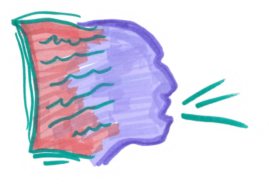
Each Nation conducts engagement differently, applying its own information-sharing, decision-making and governance processes, to foster knowledge sharing and feedback to the RAWG. These processes include the Seven Grandfather Teachings, tradition, ceremony, spirituality, and consideration for the ancestors and for the future seven generations.
Community engagement processes inform the Regional Assessment in part by providing unique knowledge, based on profoundly deep land relationships since time immemorial, including Natural Law and the traditional six seasons calendar.
These insights are then brought back to the RAWG to be incorporated into communications and to inform, enrich, and guide the government-to-government dialogue and incorporation of western scientific opinions.
The result is a marriage of Indigenous Knowledge and western science, all derived from respectful face-to-face conversation, the nurturing of understanding, as well as the generous sharing of rare knowledge.
Critical aspects of engagement include ensuring communications are understood by all community members. A key component of this has been the visual Terms of Reference, the first of its kind in Canada, that transformed a black and white policy document into a visual celebration of culture.
Data sovereignty
Communities and Councils in the region continue to develop skills and implement infrastructure to collect, store and manage regional and community data. One example is the Matawa First Nation's Fish and Fish Habitat Database, featured below. Capacity-building and training of community members for data collection and research needs continued investment, and data sovereignty must be respected.
Any work conducted by any person or organization in the assessment area, that includes data from First Nations, about First Nations, or regarding culture, lands and resources must respect the ownership, control, access, possession, of that data, according to OCAP principlesFootnote 5. These are:
- Ownership by a community or group collectively, in the same way that an individual owns their personal information.
- Control over all aspects of research and information management processes that impact First Nations.
- Access to information and data about the First Nation communities regardless of where it is held, and the right to manage and make decisions regarding access to collective information.
- Possession refers to the physical control of data, as the mechanism by which ownership can be asserted and protected.
Stand out box 4. Matawa First Nation's Fish and Fish Habitat Database, centered on Indigenous Knowledge (Matawa, Four Rivers Group)
Tasked with helping develop a database, Four Rivers Group identified the need to have something more than just information and data staged in Sharepoint and fostered the idea to develop a GeoHub serving multiple functions.
All the securities and data input/output measures have been developed, and a Data Governance Agreement has been put forth to the Matawa member communities for review and approval (not currently approved at the time of reporting). Along with that, to streamline how data is received by Four Rivers Group from the Matawa member communities, the use of Survey123 applications was implemented. Training on the use of these surveys and data collection methods is on-going in the Matawa member communities to encourage the participation of citizen science by community members.
Currently, the data is only viewable by Four Rivers Group and Matawa member Community Guardians, through a dashboard application for quick reference and visual purposes. This dashboard will ultimately be viewable in the GeoHub for all Matawa community members pending appropriate approvals. Data collected and entered into this database is guided by the Matawa communities and what they deem as priority locations and species for monitoring efforts.
The RAWG Table – Key Issues and Next Steps
Resources
Lack of adequate infrastructure and resources remain critical issues for First Nations in the assessment area, affecting the day-to-day quality of life or communities, and also their capacity and ability to engage in government-to-government processes. This Regional Assessment is no exception.
"Delegates wear many hats and have a tall task… we're representatives at this table; engagement leads for our communities and managing urgencies in community. For some, engagement stops at this table. We need more capacity for this process."
RAWG member from partnered First Nation
Equity gaps experienced by First Nations are a real obstacle to any form of collaboration and partnership at the RAWG table and more broadly. Many First Nation Partners continue to lack critical infrastructure and live in conditions that do not support community wellbeing, with limited access to clean water, healthcare, safety, housing, education, electrical power and connectivity. To be true partners in equitable decision-making processes, First Nations must have the necessities of life. It is paramount that the existing conditions of First Nations in Northern Ontario be thoroughly examined and understood, so that a baseline can be created. Additionally, immediate interventions must be made, for First Nations Partners to participate with reasonable equity regarding any project development or government-to-government process.
The RAWG is testimony to these inequitable constraints within the Regional Assessment process itself. It plays out in various ways:
- First Nation members of the RAWG must constantly balance their roles in-community with several other responsibilities, often including intervention in crises and emergencies. First Nation Partners, at any given time, are also engaged in provincial and federal negotiations, regulatory processes, and legal actions. They are also solicited by industry and other organizations, whether those discussions align with their priorities, or not. These challenges not only draw on limited resources but also strain the trust in the RAWG partnership and government relations.
- Remote communities experience higher costs due to distance and access. They also lack infrastructure to conduct activities that would be considered regular operations in most non-Indigenous communities. Cost of living is an urgent priority for the RAWG. Expert supports are conducting a study that will advance understanding about the factors that explain cost of living, links to community health, and what measures would be suitable to address the issue.
- Costs for culturally appropriate engagement, oral and visual communications, and traditional sharing are typically underestimated. Engagement methods must make space for Indigenous Knowledge to be nurtured and time to be taken with Elders, Youth and all community members who have varying literacy levels, yet highly specialized cultural and land-based knowledge.
- Capacity differences exist where First Nations have very small governmental bodies and administrative staffing compared to the federal government. Conducting community engagement, intergovernmental communications, policy development, studies, and getting the right supports means that a significant increase in resources is required.
"Inadequate funding results in significant capacity limitations and challenges regarding the transmission of information, as focus must be constantly shifted to surviving rather than progressing."
RAWG member from partnered First Nation
First Nation Partners have worked with IAAC to develop an appropriate funding strategy to address the participation gaps within the Regional Assessment process. While Partner First Nations receive base funding to help enable their participation in the Regional Assessment, amounts are often largely insufficient, given the contextual and geographic challenges. First Nations can also apply to other federal funding programs, with IAAC's support, as well as leverage private funding, but the effort involved in these approaches is prohibitive and funding remains "patchwork". The RAWG recommends that the federal government and other parties pro-actively help streamline these efforts to secure sufficient funding, in order to eliminate the burden on First Nation Partners. The RAWG has the following observations and recommendations:
- Creating submissions for funding calls has a negative impact on First Nations' capacity to adequately engage in assessment processes. Most often, the responsibility to apply for and report on funding overburdens one or two individuals who represent their community in various processes.
- First Nation Partners recommend that, given the capacity gaps identified, IAAC continues to spearhead initiatives to secure funding, on behalf of the RAWG and in support of First Nation Partners' participation. Their efforts should continue to be communicated in a timely and transparent manner to the RAWG.
- The federal government should also provide a centralized tool to help identify funding opportunities, and to track when they are available. This would help reduce unnecessary barriers to allow Nations to access funding they need. Other barriers that can be addressed include:
- Substantial simplification of online portals and application forms, with application guides provided in clear, accessible language, with video and visual materials and recordings.
- Implement timelines that are flexible to account for cultural practices or unplanned events (fires, ice roads unusable) which otherwise can lead to lapses in use of funds.
- Funding calls should move away from Canada-wide competitive models, and rather, or also, be planned to ensure sustained capacity where it does not yet exist in Kawana ‘Bi 'Kag/ Biiwaapiko'kaning" /Kahwanna Bay Yak. The RAWG will identify the real needs for sustained capacity as part of this Regional Assessment.
- The RAWG will seek funding from Indigenous Services Canada under the Strategic Partnership Initiative to support core capacity needs. The RAWG recommends that Indigenous Services Canada consider this request and provide feedback to the RAWG on its decision and next steps in a timely manner.
- The RAWG is identifying strategic investments to support participation, economic reconciliation, and self-determination. The RAWG is seeking additional resources through partnerships with academia, NGOs, and federal expertise. The RAWG calls upon those with funding programs that can support the Regional Assessment to reach out pro-actively to the RAWG to explore supports, collaboration and partnerships.
Timelines
First Nation Partners raise this statement from the Third Report from the Ministers Advisory Council of Impact Assessment (June 2025)Footnote 6:
"Engaging with Indigenous Peoples in order to ensure that the obligations for free, prior and informed consent are met necessarily takes time. Artificially constraining this process through the imposition of strict timelines may turn out to be short-sighted if it results in litigation."
Although this statement refers to project-specific impact assessments and not regional assessments, both processes analyze cumulative effects and both processes legally require free, prior, and informed consent, informed by frequent and extensive community engagement. First Nation Partners have regularly identified the need for extensions and timelines that are more appropriate for the nature, importance, and complexity of this unique, co-led Regional Assessment process, and acknowledge that the 15 First Nations have varying capacity to participate.
Time and capacity are scarce for the First Nations who are often solicited in several concurrent time-bound processes, by various parties, while having to contend with unmet basic needs in community, as well as states of emergency. For example, during one initial Regional Assessment meeting with facilitation support in January 2024, Eabametoong First Nation's delegates were called away to assist with a major school fire that ultimately claimed that community's school. The boil water advisories across many of the remote First Nations, and public safety emergencies among the road accessed communities this year have likewise restricted the availability of valued community knowledge holders and leaders from participating in the Regional Assessment as the Chiefs intended back in 2023 when they met with the Minister to begin the process.
Views on how much time is needed to complete the Regional Assessment differs among partners, with several First Nation Partners urging the RAWG to discuss extensions to the timelines with leadership. There is both urgency to conduct the assessment in a meaningful manner as multiple project proposals for the broader Kawana ‘Bi 'Kag/ Biiwaapiko'kaning"/ Kahwanna Bay Yak (Ring of Fire) assessment area are being advanced, and a lack of adequate time and resourcing to conduct extensive studies and in-community work to effectively meet the Regional Assessment's objectives. Despite the multiple contextual limits, the work accomplished together is a testament to the commitment from all of the Partners working toward our shared objectives and, from First Nations in particular, the deep commitment to utilize this opportunity to advance collective interests in making informed decisions about an uncertain future in our homelands.
As a result of delays in full funding availability following the federal call for elections of early 2025, and unavailability of federal expertise during caretaker mode, First Nation delegates in the RAWG request that the assessment timelines specified in the Terms of Reference be amended to extend the Regional Assessment. First Nations Partners will develop the details of this request in the near future.
Elder and Delegate Expertise
Engagement within the RAWG itself, is a very important aspect of the Regional Assessment. It brings together 15 First Nations and IAAC as partners, with Mushkegowuk and Matawa Councils in a supportive role, all working together within a complex terrain. The RAWG meets regularly and varies in composition as determined by the First Nation Partners' delegates, most often including Elders, Youth, community members, and advisors.
Most importantly, Elders bring forth decades of lived experience, sharing knowledge that requires considerable reflection. Elders carry different types of knowledge – having served various roles such as chiefs, community leaders, healers, and land users; and bringing forth expertise in governance, industry relations, value chains and distribution, environmental regulation and stewardship, land use, community wellbeing, addictions, infrastructure, funding, intergovernmental negotiations, traditional economies, storytelling, spirituality, childcare and more.
Every aspect of the Regional Assessment must be informed by the guidance Elders share. The RAWG will establish an Elders Council, not just to guide good decision- making and communications but also to inform western knowledge brought forth by hired experts, making it relevant and more holistic.
Western scientific knowledge contributes to a narrow and insufficient knowledge base about Kawana ‘Bi 'Kag/Biiwaapiko'kaning" /Kahwanna Bay Yak, based on limited and sporadic funding. No comprehensive western scientific baseline data exists, and past regional initiatives clearly report a lack of inclusion of Indigenous Knowledge. However, Elders have been knowledge keepers and land users since time immemorial. As such, only with their knowledge and the sharing of their expertise, can any study be relevant within the unique terrain of the muskeg.
Elders and delegates also have rarified expertise having sat on the original 2014 Regional Framework table for the Kawana ‘Bi 'Kag/Biiwaapiko'kaning" /Kahwanna Bay Yak. They have witnessed policies and different collaborative models come and go over the years. Their knowledge of what was effective, and what was not effective, is necessary to identify what could be reutilized, and how to avoid past and present challenges in government-to-government negotiations.
Engagement vs Consultation
"What is shared here cannot be stored on a shelf and brought out in the future to say that there was consultation"
RAWG member from partnered First Nation
First Nation Partners and IAAC maintain that the discussions conducted as part of the Regional Assessment are not to be understood as formal consultation. This understanding is essential to preserve the trust invested in this partnership.
A Distinct Process
Regional assessments are different from project impact assessments. Regional assessments focus on broad regional issues that can support efficient and effective assessment of many individual projects and activities, while project-specific impact assessments focus on the impacts of one project. It is important to clarify that although assessments in the Kawana ‘Bi 'Kag/ Biiwaapiko'kaning"/ Kahwanna Bay Yak are occurring in parallel with the Regional Assessment, these processes are not duplicative, but rather complementary. For example, issues beyond the scope of a specific project can be further explored by a regional assessment, and recommendations do not focus on measures within the care and control of one specific proponent.
The Regional Assessment also aims to make recommendations that include management regimes and governance models to support regional objectives, which have the potential to improve structure for engagement with communities in a manner that they deem adequate to achieve positive development outcomes.
Progress and Next Steps
As an immediate next step following the submission of this Interim Report, the RAWG will engage in-community and with the public. Public engagement will likely include information sessions and open houses in Timmins and Thunder Bay, that IAAC will coordinate on behalf of the RAWG. The RAWG will also provide regular progress updates to leadership to seek their guidance. The RAWG outlines planned activities in the Participation Plan published on June 19, 2025.
The RAWG will continue to ensure its communications and reports are inclusive, visually compelling, and culturally appropriate to narrow gaps in understandings amongst Partners and other participants in the Regional Assessment. The RAWG also has an educational role in helping the public and government understand cultural and socio-economic differences and appropriate ways of communicating, and will seize the opportunity to tailor, co-write, and illustrate the Regional Assessment. The RAWG will also consider the need to hire a cultural coordinator to help partners better engage in the Regional Assessment and communicate its activities and results in a manner that is meaningful and enduring.
The RAWG has identified several gaps that will require provincial information and expertise. As an important next step, the RAWG will compile its specific requests for provincial expertise and invite their participation for areas that are within their expertise.
Those interested in contributing to the Regional Assessment with relevant information are encouraged to do so by submitting information on the Internet Site, and reaching out to regionalrof-cdfregionale@iaac-aeic.gc.ca to best identify how support can be provided.
4. Priorities, Gaps and Recommendations
Introduction to Development Scenarios
Disclaimer: The scenarios discussed by in the Regional Assessment are evolving and are not to be understood as agreed-upon community objectives for the Kawana ‘Bi 'Kag/ Biiwaapiko'kaning" /Kahwanna Bay Yak assessment area. The discussion or depictions of development projects and activities do not constitute any form of endorsement or consent for any development activities in the region.
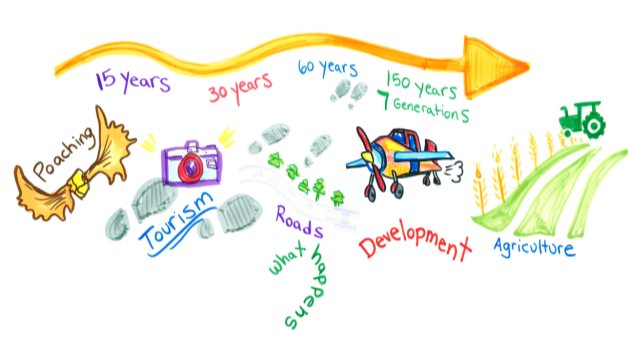
Development scenarios involve the analysis of potential future pathways. They look at different outcomes that may occur because of development pressures or other drivers of change. Scenarios can be informed by creating models using data sets and tools related to specific technologies and project types (e.g. pipelines, mineral potential), economic context (e.g. cost, revenue) and environmental conditions (e.g. geographic constraints). The results help decision-makers prepare for what might happen in the future and make informed decisions.
The Terms of Reference define "Development" as growth over time, including changing an area of land to a new purpose such as added buildings and other infrastructure. The RAWG adds to this understanding that scenarios regarding development must include a no development scenario, as well as scenarios with a variety of plausible activities (e.g. different types of mines, roads, hydro-dams, transmission lines, forestry, recreation, tourism, accidents), and other drivers of change (e.g. climate change, population growth, policy decisions, cultural transitions, change in language).
Development scenarios are being used as a tool to help understand potential positive and negative impacts in the assessment area. They will depict possible activities or other changes that may (or may not) happen in the future, against a backdrop of known regional and community values and priorities. Before creating these scenarios, it is important to clearly identify the assessment priorities and the outcomes that communities want to protect or achieve. These priorities reflect what matters most to the First Nation Partners' communities. Having this clarity allows the RAWG, First Nation Partners' communities, and external experts to look at different scenarios and assess which types of activities, development approaches, and methods are appropriate and consistent with community priorities.
Assessment Priorities
The Regional Assessment has four assessment priorities:
- To be well together (community wellbeing)
- Cultural and spiritual wellbeing
- Social and economic equity
- Healthy environment relationships
The Firelight Group has been contracted to develop scenarios, focusing on what is mappable. Indigenous and external experts will support assessing cumulative impacts using these maps. The RAWG has determined the following:
- Several values, priorities and desired futures cannot be mapped. The priorities related to economic equity and community wellbeing, healthy cultures and identity, to name a few, are "non-mappable". The RAWG will hire additional experts to analyse the values that cannot be mapped and prepare illustrative reports to best communicate them. Together, mapped and illustrated products will draw the full regional picture for the Regional Assessment.
- The First Nations in the assessment area have a deep connection to the land, water and wildlife. A point, line, or polygon on a map does not communicate how impacts extend far beyond a location on a map and how potential projects and community values intersect. The RAWG's next steps are to assess impacts, and part of this assessment will be to find ways to show impacts in culturally appropriate ways.
Since the start of the conduct phase, the RAWG has used the above list of assessment priorities to advance data and information gathering, to identify key gaps and uncertainties, and to support the scenario development efforts. Understanding of community conditions is not yet complete. The RAWG will continue to build knowledge, findings, and recommendations throughout the Regional Assessment towards a holistic understanding of community conditions.
Moreover, all the priorities are interconnected. Effects cannot be fully understood in isolation of each other. For example, a healthy environment is critical to physical, mental, and cultural health for people to then have access to livelihoods in which they can sustain their families and safely practice their rights, now and for future generations. This is well illustrated by the quotation below that describes the impact of government policies on current health conditions.
"In 1965, the Mushkegowuk people were displaced from Treaty 9 homelands. They had to move to reserves to qualify for healthcare. They lost deep connections with their lands – a connection that brought subsistence, traditional economies, and spiritual and mental health. Today, communities don't have the healthcare they need.
Today on reserve, communities don't have the resources, support or opportunity they need to thrive. Communities are given unemployment insurance and they can't pursue a traditional, harvesting lifestyle to qualify because the government doesn't recognize this as work."
RAWG member from partnered First Nation
To be well together (Community wellbeing)
Key aspects of this priority are illustrated in the figure below. These are the areas of focus for the RAWG.
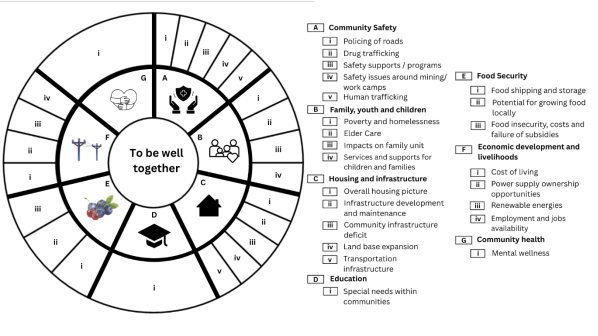
Communities experience significant barriers to the basic healthcare they need. Community members must travel long distances for healthcare, creating financial and emotional stress, as well as isolation, especially for aging family members in need of care. In addition to limited access, colonial policies have led to a lack of culturally safe health services which can discourage people from seeking care and worsen existing health problems.
First Nations in Northern Ontario need better healthcare systems. There are higher occurrences of chronic conditions like diabetes and heart disease in First Nation communities in Northern Ontario. Cancers and other rare conditions also appear more often than expected, when compared to other communities. Many community members also suffer poor mental health due to the impacts of intergenerational trauma from residential schools, poverty, substance use, and high suicide rates. While some mental health programs and trauma-informed services exist, they are often limited or hard to access. These programs often fail the participants as they are not community-based, forcing participants to travel to external health centres where they face discrimination.
Studies reveal the systematic racism within healthcare, particularly in industrial hospital environments, places that people in remote communities have no choice but to utilize. The RAWG points to numerous recent articles and reports as examples that highlight some of the ongoing challenges across Canada, including:
- First Peoples, Second Class Treatment: The role of racism in the health and well-being of Indigenous peoples in CanadaFootnote 7
- Ignored to Death: Systemic Racism in the Canadian Healthcare SystemFootnote 8
- Investigation Report: Concerning the death of Joyce EchaquanFootnote 9
- When Healthcare Harms: Addressing Indigenous-Specific Racism in CanadaFootnote 10
- Out of Sight: A summary of the events leading up to Brian Sinclair's death and the inquest that examined it and the Interim Recommendations of the Brian Sinclair Working GroupFootnote 11
- Anti-Indigenous racism in Canadian healthcare: a scoping review of the literatureFootnote 12
Communities partnering in the Regional Assessment primarily access hospitals in Thunder Bay and Timmins, where they too experience inadequate healthcare, discrimination and systemic racism. This may be illustrated by the following recent case: Ontario Human Rights Commission files application related to deaths of Joey Knapaysweet and Agnes Sutherland.Footnote 13
Stand out box 4. Ontario Human Rights Commission files application related to deaths of Joey Knapaysweet and Agnes Sutherland
In February 2018, Joey Knapaysweet and Agnes Sutherland traveled to Timmins from Fort Albany First Nation to access health services that were not available in their community and tragically passed away. Following their deaths, the families of Joey Knapaysweet and Agnes Sutherland, joined by the Ontario Human Rights Commission, filed an application with the Human Rights Tribunal of Ontario. The case alleges discrimination based on Indigenous ancestry by public service providers, including Timmins Police Service, Timmins and District Hospital, Cochrane District Social Services Administration Board (which provides emergency medical services), and other social service agencies. As of September 2024, social service providers and the Sutherland and Knapaysweet families did not agree to mediation and request for summary hearings, which are ordered when it seems unlikely that an application has sufficient evidence to succeed, was denied by the Tribunal.Footnote 14
The RAWG has chosen not to discuss other recent tragedies in this report, out of respect for the families and communities affected.
These health problems and barriers contribute to preventable deaths and ongoing suffering. First Nations are clear that addressing funding and capacity gaps for access to health and social services is an immediate priority irrespective of the potential for development in the area. The consequence of not addressing gaps related to health and social services is a worsening of the already dire conditions outlined in this Report. And only with equity being met can there be real opportunity for meaningful participation of First Nations in determining what a better future means. First Nations are seeking a commitment from the federal government to address these issues, in respect of Indigenous rights and reconciliation commitments. The RAWG will continue to work to clarify the measures required to meet such a commitment as the Regional Assessment progresses.
For now, the RAWG makes the following observations and recommendations:
- Improving access to care for First Nations in Northern Ontario requires investment in telemedicine, mobile clinics, and local health infrastructure. Community-based emergency triage centres are needed, as is care for Elders in community. These services must be established with the communities they are meant to support.
- Current efforts lack a preventative, comprehensive approach. The RAWG will examine how prevention and management strategies can be strengthened, including timely access to screening, improved public health tracking to ensure timely diagnosis, access to translators in hospital, treatment, and monitoring of chronic health conditions.
- Several First Nation Partners have identified the important state of crisis in mental health conditions, and the need for measures tailored to the conditions of specific communities. Examples include the need for targeted programs for youth; the development of trauma-informed approaches when engaging with community members, including psychological supports; and programs that include all aspects of recovery (e.g. detox, treatment, after care, cultural care and land-based healing).
- As important next steps the RAWG will focus on mapping roles and responsibilities for health services and to identify gaps that must be addressed now, and in planning to address impacts of potential future development activities on communities in the region. An inventory of existing mental health services will be completed as part of the Regional Assessment, in order to properly identify key gaps and make more specific recommendations.
- Expanding culturally safe health services through community-driven solutions, Indigenous-led care models and traditional healing is critical in supporting community wellbeing. Opportunities for Elders and knowledge keepers to provide cultural and spiritual healing are essential alongside clinical care to ensure holistic health for communities.
- The Regional Assessment process will examine and recommend models that would be appropriate and measures to put them in place. The RAWG notes, for example:
- The Indigenous Men's Alliance, which delivers culturally appropriate services to promote, develop and sustain the healthy identity of Indigenous men. They offer a series of workshops, adaptable to different ages and life stages, that focus on mental, physical, and spiritual wellbeing, encouraging men to embrace their heritage and build strong, positive relationships within their communities.
- The Jane Mattinas Health Centre, established by Constance Lake First Nation. The centre combines traditional health practices and western medicine to provide culturally appropriate programs for Indigenous peoples. The centre currently supports individuals from a number of communities because the region overall lacks this kind of resource.
- Missannabie Cree First Nation and other First Nations who are investing in transitional housing to support recovery in the community, and need sustained funding.
- An ongoing effort by the province to customize a Youth Wellness Hub for mental health and justice supports for youth, in collaboration with Matawa First Nations.Footnote 15
- Some existing work, like the Indigenous Health Primer,Footnote 16 published by the Royal College of Physicians and Surgeons of Canada, presents key approaches, ideas and background knowledge for healthcare providers caring for Indigenous Peoples. The RAWG will continue to explore existing resources and recommendations that may be relevant for improving healthcare in Kawana ‘Bi 'Kag/ Biiwaapiko'kaning"/ Kahwanna Bay Yak in the Final Report.
Cost of living has significant impacts on health. Ten out of the 15 First Nation Partners are not connected by all-season roads to the provincial highway system. Communities rely on winter roads that require costly maintenance and repair as well as a few community airports for the import of food, goods and materials. Limited competition among retailers and distributors in remote communities further drives up prices, leaving families with few affordable choices.
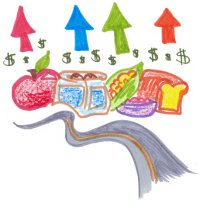
The RAWG has commissioned a study to better understand the many factors that explain the cost of living across the Kawana ‘Bi 'Kag/ Biiwaapiko'kaning" /Kahwanna Bay Yak. The study includes, but is not limited to:
- describing each factor that explains the cost of living (e.g. road access, freight conditions, housing availability and affordability, sources of revenue, dependence on diesel, food and water supply infrastructure, cost and effort required for heating).
- examining how potential development has caused cost of living factors to improve or worsen in other Canadian communities that experienced substantial changes due to growth and development.
- suggesting measures at all applicable levels (e.g. in-community, industry, regional organizations, federal) that may help mitigate negative impacts and enhance positive impacts.
Understanding existing conditions is necessary to examine the potential impacts and benefits of development.
Poverty and poor employment conditions, including low wages, affect overall wellbeing and make it harder to secure safe housing and nutrition, further affecting community health. Government subsidies intended to reduce food insecurity are often insufficient and fail to tackle systemic issues, lower prices, or improve the quality of food provided. Additional barriers arise from the high cost of equipment needed for harvesting, hunting, and trapping traditional foods, limiting access for lower-income families. The RAWG will explore existing First Nation food sovereignty systems that focus on greenhouse growing, gathering and harvesting wild foods.
Stand out box 5. Traditional Foods and Food Sovereignty
Access to traditional foods is essential for the physical, mental, spiritual, and cultural health of partnered First Nations. In Northern Ontario, colonial policies displaced communities from hunting, fishing, and gathering areas, while privatization and resource development have restricted access to traditional territories. Climate change continues to alter ecosystems, wildlife populations, and seasonal cycles, compounding these pressures. Important cultural food sources such as caribou and sturgeon are also in decline, limiting opportunities for sustainable harvesting and cultural practices. The residential school system also disrupted the transmission of traditional knowledge and language, affecting food sovereignty and participation in traditional practices for communities. Revitalizing Indigenous food systems (hunting, fishing, gathering, cultivation) is critical for achieving food security and preserving cultural knowledge.
As part of their revitalization efforts, some communities are exploring innovative solutions, such as greenhouse projects and food distribution systems, to restore access to groceries, traditional foods and strengthen food security.
Many First Nation food security programs exist across Canada and in the far north, and much research has been done. The Wap-Shki-Pi-Nay-Quay-Nay Project, a collaboration between Lac Seul First Nation and Agriculture and Agri-Food Canada is one project our neighbours in the northwest of Ontario are developing.
A lack of clean drinking water, adequate wastewater systems, reliable energy, healthcare and school infrastructure exacerbate health and wellbeing issues. Neskantaga First Nation has the longest-running drinking water advisory in Canada, in place since 1995. Three other communities in the area have experienced long-term drinking water advisories that were lifted in the past decade.
In recent years, some communities have experienced flooding and other damages to their wastewater systems and nursing stations. Aging infrastructure, lack of funding, and remoteness make repairs and upgrades to water treatment and storage systems difficult. These conditions create health risks, financial strain, and emotional stress; and they reflect systemic inequities rooted in colonial policies and underinvestment.
Communities experience frequent power outages due to unreliable electrical infrastructure, and addressing issues can be a lengthy process. Communities need better access to power. In the shorter term, communities need access to back up energy sources, like generators.
Community and family safety and health, access to fair opportunities to benefit from potential economic development, and secure livelihoods are major concerns.
Community safety is a priority. Among several efforts needed for this priority, the RAWG highlights the need to prioritize:
- Identifying all services and programs that provide community safety and wellbeing, to identify gaps in programs and the resources required, and to make meaningful and targeted recommendations.
- Examining the issues that threaten safety, such as adequate policing of drug and trafficking activities, to ensure that safe conditions exist before considering any new development in the region, which could worsen community health and safety.
- Identifying options to improve veterinary services and animal care and control.
- Exploring approaches to restore a sense of peace and safety in the way each community chooses to heal. This includes helping youth in trouble so they do not end up being sent to jail. It also includes providing healing approaches suitable both for victims and offenders.
Stand out box 6. Safety Education Programs
Safety resources and education programs, such as those available in Weenusk First Nation prior to the COVID-19 pandemic should be resumed. Programs in Weenusk taught self defense, awareness of surroundings (e.g. being followed or stalked by a car), and disturbed survival packs for youth traveling to metropolitan areas.
Access to education and training is challenging for many communities. For many communities, youth must travel or relocate to attend school, placing them in vulnerable settings. Furthermore, since the systems in place are not adequate to prepare youth and adults for potential future opportunities. The RAWG provide the following key observations and recommendations:
- Elders share that literacy cannot be separated from language revitalization and cultural continuity. The RAWG recommends that literacy development must be integrated into language revitalization programs, creating culturally relevant materials, and introducing early literacy interventions in programs. This recommendation applies to Indigenous Services Canada programs (e.g. Aboriginal Head Start and Indigenous Early Learning and Childcare Framework).
- Improving literacy conditions must be linked to employment and skills development. Embedding literacy components in trades and technical training will promote equitable participation in future opportunities.
- Curricula rooted in Indigenous languages, land-based learning, and traditional knowledge needs to be co-developed with First Nations. Indigenous-led data systems should be established to track education outcomes, language use, and cultural continuity.
- Local capacity-building is needed to ensure that there are schools in community, and that education systems are governed and delivered by First Nations. Currently there are equity gaps in training and certification, as local staff cannot leave for extended periods without disrupting essential services. Investments are needed in teacher recruitment and training pipelines, prioritizing Indigenous educators and culturally safe practices.
- Youth need improved access to secondary and post-secondary education, including pathways for trades and technical skills linked to resource development. Flexible learning models that accommodate remote communities through digital infrastructure such as Keewaytinook Internet High School and community-based training are needed. Mobile training units such as Oshki-Wenjack provide culturally safe, in-community certification.Footnote 17
- Students experience transition challenges when moving from on-reserve schools to provincial systems or post-secondary institutions. Challenges are compounded by historical trauma and socio-economic conditions. Mental wellness supports should be embedded within education systems to address trauma, promote resilience, support mental wellness and support academic success. Models such as Matawa Education and Care Centre holistically support youth learning away from home.Footnote 18
The RAWG will explore a comparative study to learn how other First Nations have experienced and addressed issues related to literacy, education, and training when faced with potential developments and opportunities to participate equitably.
Families and youth in the region face complex challenges shaped by both historical trauma and present-day realities. The legacy of residential schools fractured family structures and disrupted cultural continuity. Many never returned home, leaving generations to cope with grief and loss. These experiences weakened family cohesion and eroded intergenerational knowledge transfer, impacts that persist today.
The RAWG has identified several priorities to strengthen understanding of family, youth, and children's wellbeing in the region, and the impacts of potential future development on this priority. Lessons could be drawn from other mining developments, such as Voisey's Bay. The RAWG will enhance efforts to embed youth in planning and decision-making throughout its work. Key observations to date include:
- Elders' role in intergenerational knowledge transfer, unless enhanced, is being lost. Formal recognition of Elders as cultural experts in advisory roles is needed. The RAWG will model these practices as communities define what measures would be appropriate to preserve and enhance community wellbeing. The RAWG will develop future recommendations about recognition of Elders.
- Indigenous-led data systems guided by data sovereignty principles are essential to track family wellbeing, youth outcomes, and cultural continuity. These need to be monitored appropriately when considering the potential impacts of development. The RAWG will connect with the Indigenous organizations who collect data to examine gaps. RAWG is aware of services such as Our Data Indigenous, with data on housing, language, community health, mental health and wellbeing, and more.Footnote 19
Cultural and spiritual wellbeing
Key aspects of this priority are illustrated in the figure below. These are the areas of focus for the RAWG.
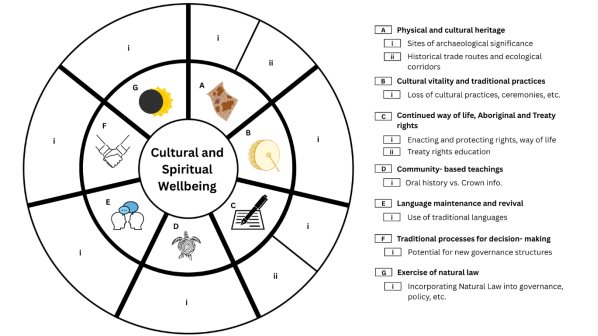
One thing all First Nations Partners have in common is the importance of connection to the land for cultural and spiritual wellbeing. Practicing activities, like hunting, fishing, gathering on the land is an indivisible part of cultural identity and spirituality. What this means to each person would be expressed differently, but its importance connects all First Nation Partners engaged in the Regional Assessment. First Nations community members need time, places and opportunity to reconnect with the land; it is critical to healing and mental wellbeing.
Spiritual wellbeing is the understanding that spirit is present in all things and that the spirit, heart, mind, and body work together as one whole. It grows from living in balance within the circle of life, recognizing the interconnectedness of all our relations and the inherent relationship between the Mother Earth, water, sky, the four-legged, the crawlers, the swimmers and the winged, as well as the medicinal plants and trees – all integral to the many cycles of renewal and change since time immemorial. Rooted in kindness, caring, and respect, spiritual wellbeing comes from walking our path of life in a good way, learning from the changing six seasons around us and within us. It is strengthened through our relationships, our connection to Mother Earth, and the teachings carried in our languages, which remind us of who we are and how we belong to the world.
Each community has their own sacred ways of practicing spiritual wellbeing and as such the socio-economic ability to practice spiritual wellbeing is critical to the future growth or development of each community. Unique community practices include ceremonial practices, land-based practices, language, and teachings.
Each First Nation will determine when and how to share about their cultural and spiritual wellbeing as part of the Regional Assessment.
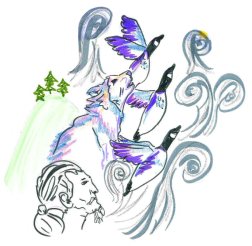
Social and Economic Equity
Key aspects of this priority are illustrated in the figure below. These are the areas of focus for the RAWG.
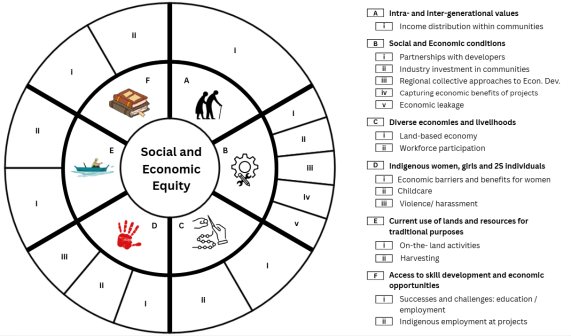
"There are a lot of stories about people trying to make a living in the muskeg – fish farms, harvesting, livestock – but we lost all these skills when we moved into the reserve. They took our skills away a long time ago. And we need to be on the land to learn those skills … Government is saying the land is empty, but it wasn't empty – we were leaving footprints all over the place, we had an economy."
RAWG member from partnered First Nation
In order to support diverse economies and livelihoods, First Nations constrained by reserve boundaries need additional land. In some cases, reserve boundaries are no longer sufficient for community growth. Where communities want to participate in development opportunities, there is no space to accommodate housing, learning and training, access to skill development and future employment, and any infrastructure required for desired social and economic equity. The RAWG asked for information about ways to expand reserve lands. Indigenous Services Canada responded that there are two ways to own more land. First Nations can purchase land in ‘fee simple', and then own land as a private landowner, for which provincial regulations would apply. Alternatively, First Nations can apply to the Additions to Reserve process. Indigenous Services Canada noted that completion of Additions to Reserve proposals is complex and requires skilled capacity to examine and address land survey issues, consultation, environmental site assessments, service agreements, tax loss compensation, and to resolve third-party interests. They stated that additional federal funding would be required to expedite the completion of Additions to Reserve proposals. The RAWG will explore this issue further before making recommendations focused on the assessment area. However, the RAWG highlights that certain First Nations find that these options are not aligned with their understanding of Treaty 9. The government should explore solutions for additional lands to be developed by communities to meet community goals, reducing the burden, costs and delays that currently exist.
"Imagine 1905… Treaty Commissioners are in a hurry to get the Treaty #9 signed before the tide comes in. They want to paddle down to Moose Factory. The signatories are Peetabeck Inninowuk. They are harvesters, speaking the Inninimowin (Cree). Only the HBC staff, and RC missionaries are available to translate between the two parties. In this scenario, we can see that "due diligence" and "due process" were not incorporated. Why? Because the Peetabeck Inninowuk did not speak the "lingua franka" of the colonists party. This issue is recognized by the legal system in modern courts. There are two versions of the Treaty. The real Treaty is the one our Elders discussed, negotiated and agreed to. That's what we continue to fight for. The Crown's version is totally different.
That's the reason for the RAWG process. They call it reconciliation."
RAWG member from partnered First Nation
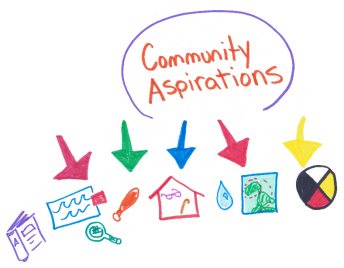
Equity for women is an important priority for First Nations Partners. Women traditionally have roles as water keepers and carriers. They are also traditionally the decision makers in the community who consult with Elders and Youth to inform their decisions and then task men with putting the decisions into action. Ongoing violence towards Indigenous women and oppression of their voices is an issue requiring significant action with real change and preventative and supportive measures put into place before any development can occur in the assessment area.
"Indigenous women in Canada are beaten, sexually assaulted, and killed in shockingly high numbers. They experience violence at rates three times higher than other women. This violence is also extremely brutal in comparison to that experienced by the general population. Indigenous women are five times more likely to be killed or to disappear as compared to non-Indigenous women. They also experience much higher rates of intimate partner violence than other women. Incarceration rates of Indigenous women are also greater than those of the general population of women due, in part, to their response to this violence. There is a crisis in Canada's criminal justice system relating to this issue, yet there has been no significant constitutional response despite recommendations in numerous high profile government reports."Footnote 20
The Regional Assessment will review the Calls for Justice and safety from the Missing and Murdered Indigenous Women and Girls (MMIWG) inquiry and recommend how they should be implemented in the region.
The RAWG is also discussing how to integrate concepts like Environmental, Social, and Governance (ESG) principles and the Initiative for Responsible Mining Assurance (IRMA) standards to promote sustainable economic development. The Regional Assessment can help determine how industry, especially mining, aligns with community goals, respects Indigenous rights, and minimizes environmental and social impacts. The RAWG will explore how these and other standards can be integrated towards social and economic equity considering:
- lessons learned, best practices, and policies in other provinces, territories, and countries.
- concerns about influx of workers and immigration.
- ways to proactively address possible population growth and related increases in socio-economic needs, while ensuring community needs are met and not underserviced.
- community wellbeing, such as healthcare, clean water and other essential services to communities, as mentioned previously.
- the demands from off-reserve members who plan to return home, and what this means in terms of available workforces or needs for community services.
- service and infrastructure gaps that limit economic development opportunities and how these could change as a result of development activities, associated infrastructure, and induced development.
- best practices and processes for shared, joint decision-making with Indigenous communities regarding future development, including through governance models that follow community protocols and decision-making processes.
- ways to maximize economic opportunities for First Nation Partners (e.g. equity in projects, revenue sharing, use of community resources, employment, training).
The list above is not exhaustive. The RAWG will prioritise efforts based on guidance from First Nations Elders, Youth, Knowledge Keepers, land users and community members. The RAWG will also consider input from other participants based on feedback following this Interim Report.
Additionally, the need for comprehensive community plans is often noted. Many plans are outdated and will need reassessment. First Nation Partners in the Regional Assessment will each share information related to community plans as they choose. For example, the analysis of community values will significantly inform the assessment of the potential impacts of development scenarios. The degree to which this information is shared during the Regional Assessment in the Final Report will respect OCAP principles.
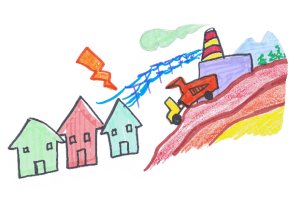
Healthy Environment Relationships
Key aspects of this priority are illustrated in the figure below. These are the areas of focus for the RAWG.
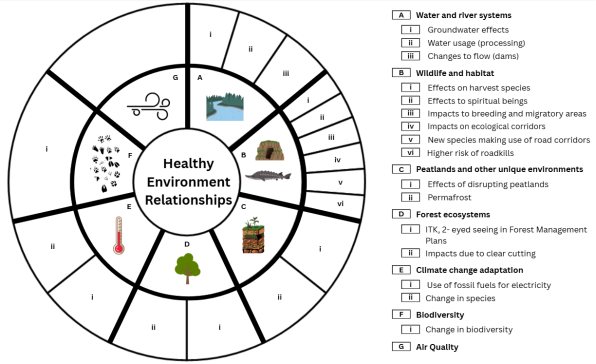
The RAWG acknowledges the wealth of technical knowledge from past regional studies and ongoing academic and government programs. However, a critical gap from these studies is the lack of Indigenous Knowledge and engagement. The information is not remembered, used or credible to First Nations if it did not include the knowledge of the people who have stewarded the land for millennia.
The RAWG will not repeat the work that was done in the past but will verify recommendations and update trends reported in these studies, supplementing the data with both western and Indigenous Knowledge. The foundational regional studies from a western knowledge perspective are, most notably:
- the Far North Science Advisory Panel (2010) "Science for a Changing Far North. The Report of the Far North Science Advisory Panel";
- both the Boreal Shield and Hudson Plains key findings and full chapters under the Canadian Biodiversity: Ecosystem Status and Trends 2010 assessment; and
- the 1985 Final Report and Recommendations of the Royal Commission on the Northern Environment (i.e., the Fahlgren Commission).
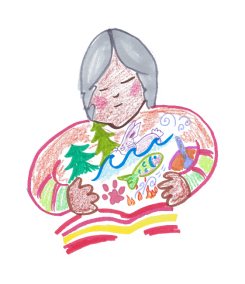
There is a positive trend towards research led or co-led by First Nations. The RAWG recommends that all research and monitoring programs planned or ongoing by industry, academia, government and non-governmental organizations that overlap with First Nation territories in the assessment area must be conducted in partnership with First Nations, and respect OCAP principles. Research programs must also include supports for training community members in the skills required for research and monitoring. Finally, there must be a plan to return to the community, in person, to share the results of the work in a culturally appropriate manner.
"We take our knowledge and findings to the school, take youth out so they can start learning – when you teach kids, they start to see life more and what they're doing in the future, because we teach a lot about adaptation."
RAWG member from partnered First Nation
Stand out box 7. Climate Change Adaptation and Biodiversity
The James Bay lowland region is an environmentally sensitive and ecologically significant area that is home to globally significant fish and wildlife species, and is one of the largest carbon sinks on earth, which plays a critical role in global carbon sequestration, a key factor in mitigating climate change.
Mushkegowuk Council, Weenusk First Nation, Wapusk National Park, academics, government and non-governmental partners are progressing the Omushkego Biodiversity and Carbon Knowledge program (2022-2026). The program is meant to assess biodiversity and quantify carbon stocks and fluxes across wetland, peatland, coastal and marine ecosystems within the Hudson-James Bay Lowlands and adjacent marine waters. An anticipated outcome of this program is the development of biodiversity and carbon maps at scale for the Hudson Bay Plains Ecozone.
The RAWG, in November 2025, held a workshop on peatlands and permafrost. The work presented was either led or conducted in partnership with First Nations in the assessment area. Environment and Climate Change Canada (ECCC) and Natural Resources Canada (NRCan) lent their expertise for this discussion as well. As outcomes of dialogue between members of the RAWG in attendance and the presenters, the RAWG provides the following key observations and recommendations:
- Communities in the assessment area are seeing some streams turn orange colours. Experts explained this may be related to exposure of metals to changing conditions and to organic carbon in the water. ECCC confirmed these observations are of interest to report. The RAWG will follow up with ECCC to establish a reporting mechanism.
- Forestry activities in the southern part of the assessment area decreases forest cover near streams to an extent that has visible impacts on the way the river ice breaks up. These practices have a direct impact on the ability of Nations to practice their rights and on their health and safety. The RAWG recommends that the amount and area of tree removal near streams must be planned so that it does not affect water temperature in a way that changes the freeze-up and break-up conditions of rivers where First Nations use the lands for the practices of rights or other purposes.
- Despite what seems like a lot of information, there is very little long-term watershed-scale baseline information that can serve to reliably assess potential impacts on aquatic habitats in the assessment area. Data collection has either been clustered and long-term funding ended. Impacts from climate change are making establishing this baseline a lot harder and more urgent. The RAWG recommends the immediate establishment of monitoring sites and deployment of data loggers throughout the watershed. The feature box below highlights one initiative that could be supported, in alignment with this recommendation.
Stand out box 8. Recommending Monitoring Stations from the Bays to the Proposed Development Area
Weenusk First Nation has been working in partnership with Wildlife Conservation Society Canada (WCS Canada) to establish peatland monitoring stations in their traditional territory. Weenusk and WCS Canada are interested in the potential to expand this monitoring network to include tributaries near the Ring of Fire (three sites on upper rivers close to the potential development area, three sites near Hudson and James Bay and three at rivers in between). Weenusk has been successful in establishing sites near the Bays. Additional funding is needed to establish the other sites and to support long term maintenance of all sites. Monitoring sites close to the development area are especially urgent so that baseline data can be gathered before potential development and disturbance in the area continues. The RAWG requests federal departments with relevant mandates come forward with any opportunities to fill this urgent gap in partnership with First Nations and participating scientists. The RAWG will also explore options to advance this work as a part of the Regional Assessment.
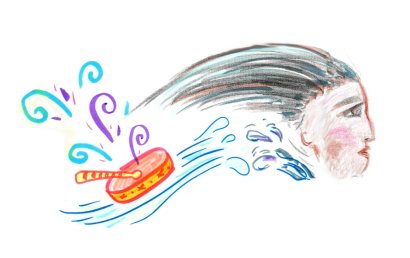
First Nation Partners speak of water and river systems as the lifeblood of communities. The word Matawa comes from the Cree word Mammamattawa, meaning a place where many rivers come together. Communities are on the connection of the river systems and connection of rivers.
"The Hudson Bay Lowland is the globe's third largest wetland, and the largest in North America. Along the Hudson and James Bay coasts and farther inland, the Far North's wetlands and peatlands contain as much water as Lake Erie."
Far North Science Advisory Panel (2010)
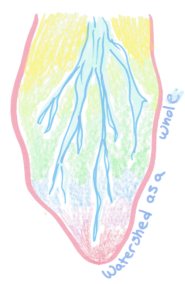
Major river systems in the assessment area include the Abitibi River, Attawapiskat River, Ekwan River, Kenogami River, Mattagami River, Missinabi River, Moose River, the Lower and Upper Albany Rivers, and the Winisk River. Many Mushkegowuk First Nations are situated along major rivers but also along the coasts of the James Bay and Hudson Bay. Community members hunt, fish, and trap in the surrounding areas.
"We don't know where the water goes."
RAWG member from partnered First Nation
The complex hydrology of the landscape, combined with changes due to climate change, make any predictions related to impacts on hydrology, water quality, and aquatic systems as a whole highly uncertain. First Nations report water tunnels through which water flows differently depending on the behaviours of permafrost. First Nations and researchers also report that peatlands have memory and that the landscape is resilient to change, but only to an extent. It is not known at which point changes due to climate extremes, prolonged droughts, and changes in land use from development will compromise this resilience and alter water flows irreversibly.
Stand out box 9. Community-led studies on Lake Sturgeon
Currently, Four Rivers Group is providing training to Community Guardians and Guardians Interns on the collection of western-science data from harvested Lake Sturgeon. Many of these fish are harvested with no other information on the fish being collected.
The current funded project ends March 2026, and it is recommended to seek out other sources of funding to continue with this data collection to help identify trends and changes in the Lake Sturgeon populations in the Matawa homelands, and to help guide community land management decisions moving forward.
One community in the assessment area is also studying sturgeon habitat and condition, including how it could be impacted by land use changes caused by hydroelectric development. Moose Cree First Nation has been working on a project tagging sturgeon and monitoring their movements throughout the Moose River watershed. Samples were also taken to compare the health of sturgeon from rivers that have hydro dams and rivers that are not impacted by hydro. Moose Cree First Nation has started to examine the impacts of fragmentation on fish, specifically on sturgeon since many of the rivers across our Homeland have hydroelectric facilities controlling levels and flows year-round. We have started to look at how the genetics of the fish are responding based on the fragmentation, how fish species are not as closely related as they used to because of fragmentation. We are looking at how the fish move across large distances, much further than provincial or federal reports share, but in line with Elders' understanding of fish movement.
We need to tag more fish and develop community engagement to participate in a broader fish movement study. We also need to collect more information on benthic invertebrates, the food source and how they differ from inland to estuary freshwater habitats. To gain a better understanding of the benthic community, a larger sampling program will need to be developed as well as support from partners to identify the sample invertebrates.
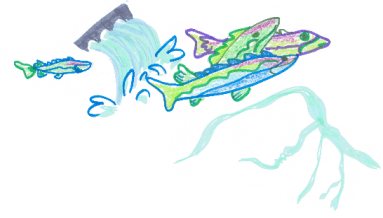
Next, the RAWG plans to focus its efforts on:
- establishing a council of Elders, and organizing a session with community knowledge holders about water and medicines.
- building conceptual model(s) that would explain the expected hydrological responses of peatland river systems in the assessment area, to various stressors, including, for example:
- water usage amounts and effects on the water table;
- effects to groundwater supplies, including changes in source waters;
- effects on water quality and health;
- changes to flow including cumulative effects of hydroelectric projects; and
- increased risk of flooding due to development, climate change, and new infrastructure.
- more detailed hydrological modeling to assess potential impacts from development.
- examining priorities for studies and workshops related to:
- fish and wildlife, including species at risk, with Lake Sturgeon and caribou as species of particular importance; and
- potential impact from development on mercury levels and other potential contaminants in water and fish, including learnings from nearby mines.
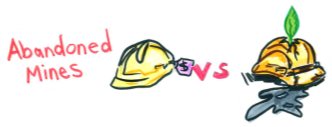
The RAWG notes the importance of accountability. Where activities could pose a risk to healthy environment relationships, First Nations communities are assured of, and engaged in, monitoring from the stage of planning to post-development. There must be strong regulatory safeguards in place to protect the environment in the assessment area. There must also be a strict compliance and enforcement regime, with penalties if safety and protection requirements are not met. Restoration initiatives must also be First Nations-led and lead to employment opportunities, First Nations-led restoration, and seedling generation initiatives.
Stand out box 10. Indigenous Stewardship Programs: Guardians and Wahkohtowin
This monitoring work also needs to come from more than companies, the government or Chief and Councils. Community-driven monitoring and stewardship is essential to secure adequate baseline data collection that is braided with Indigenous Knowledge. Regional and community-based Indigenous Guardians programs should be leveraged for this work.
Indigenous Guardians are part of an international movement of Indigenous communities asserting their role as protectors and relations of the land. Guardians gather crucial, local information about the lands and waters, watch trends and identify changes, share information with decision-makers and empower communities to engage with broader processes. Guardians programs often also include mentorship of young people, outreach and education in environmental, technology, and cultural aspects, and the documentation of traditional knowledge.
In support of the Regional Assessment, the RAWG should look to utilize, support and advocate for the expansion of Guardians programs within the region, including existing community-based Guardians, a Guardians Internship at Four Rivers Group that employs young Matawa members, and the well-established Guardians initiative at Wahkohtowin. These programs are well- positioned to conduct the essential information collection that is at the core of the Regional Assessment, particularly in establishing baselines within the Priorities, and in documenting local, traditional, and Indigenous Knowledge.
Looking forward, the RAWG recommends increased and stable federal funding for Indigenous-led monitoring and Guardians programs in the assessment area. It is essential that First Nations are recognized as the Guardians of their homelands and traditional territories and supported as such.
There is a need for continued promotion and adequate funding towards intergenerational land activities as Elders are passing on and Indigenous communities are losing their rare, priceless traditional knowledge. Intergenerational knowledge transfer is invaluable within the First Nations, and beyond. It can inform climate change adaptation, and redirect us to a healthier, much needed, environmental relationship with Mother Earth.
Including an Elder Advisory Group to guide research and involving youth in field research and programming are important to respect and integrate Indigenous Knowledge in a culturally appropriate manner. It also engages youth, encourages stewardship, and trains skills for future monitoring work needed in the area.
Mapping Scenarios
This section reports on scenario development work as of January 20, 2026.
The work leading up to summer 2025, and community engagement during summer 2025, helped the refine how scenarios could integrate scale of development intensity (no to high intensity) along different points in time (from 10 to 150 years). Each First Nation gathered feedback on scenario building in their own way, such as asking about important values to preserve and promote, concerns and risks to avoid, and what people want or don't want to happen.
"When I was 17, I was here in Thunder Bay and there was a lot of snow… now there's no snow, or only a bit of snow. I'm thinking about this change and who I speak for – visions or dreams come to me from whatever's on the water or land, these four-legged come to see me. Flying around the area, we see holes for mines – people see a dollar value for our land, but I love this place. My father and my grandfather told me my land is important and to never give it up. Why am I here? It's for tomorrow, for them (my grandchildren) ... Tomorrow's going to change faster than what we see now today. We're on Turtle Island and what we decide today might cut off a leg or a head. In Nibinamik, right now, I feel like I'm at the heart of the turtle."
Quote from RAWG member from partnered First Nation
During the first few months of the conduct phase, the RAWG had several workshops focused on scenario work. Appendix 3 provides a more detailed description of this work.
The RAWG is now formalizing its methodology for mapping potential scenarios and preparing maps. This work is being done with the assistance of hired external experts from the Firelight Group. So far, the RAWG and Firelight have:
- considered the area and time periods scenario maps will show.
- prepared baseline maps that can be used to help identify and address gaps in knowledge.
- considered the different scenarios they would focus on.
- prepared mathematical models which can be used to create different scenario maps based on varied input data.
Firelight submitted a summary of their ongoing work and some initial products to the RAWG. These are available on the Internet Site. The following text provides a brief overview of the RAWG's plans and findings now.
The Area and Time Periods Scenarios Will Show
Maps will cover the entire assessment area and both near-term and long time periods. As effects of a project can extend far beyond any local project boundaries, the RAWG determined that scenarios should illustrate future conditions across the entire assessment area. By analyzing conditions across the assessment area, scenarios can be viewed through the lens of vast ancestral homelands, land use, and stewardship responsibilities.
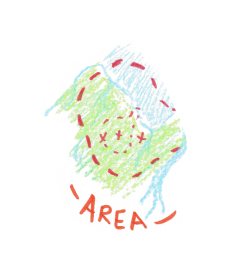
Four temporal boundaries have been identified for scenarios, in addition to a "no development" scenario:
- near term (5-10 years),
- medium term (about 30 years),
- long term (about 60 years)
- intergenerational (150+ years)
These were selected based on the following principles:
- Timeframes will be long enough to include project lifetimes and their legacy effects, and follow cycles rooted in Natural Law, such as the lifetime of a tree, the time an impact lasts in a river and watershed, and the rate of regeneration and growth.
- Scenarios should include a 7-generations outlook (150+ years).
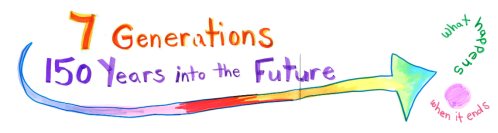
The Scenarios
The RAWG plans to focus on mapping four scenarios: Indigenous-led planning, co-governed growth, gradual change and accelerated development. These are represented in the figure below:
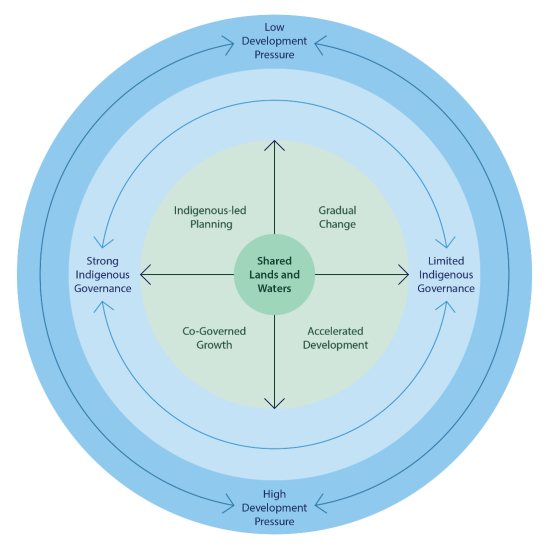
The Indigenous-led planning scenario represents conditions where low development pressure meets strong Indigenous governance. First Nations advance land stewardship, cultural revitalization, and community-defined economic development. There is expansion of land use planning, conservation initiatives, and Indigenous modern and traditional economic activities (e.g. renewable energy, cultural tourism, wild rice, fisheries). Infrastructure development is strategic and community-led or endorsed. The regional future is shaped primarily by Indigenous values, governance structures, and long-term stewardship goals.
The co-governed growth scenario represents conditions where strong Indigenous governance meets high development pressure. Nations play a central role in decisions about land use, project approvals, conditions, monitoring, and stewardship, supported by appropriate capacity. Development proceeds, but under co-governed frameworks that ensure cultural values, rights, land use priorities, and community benefits that shape development outcomes. Infrastructure expansion is negotiated to support a mixture of national/provincial economic and community goals. Stewardship regimes are strengthened, and cumulative effects are actively managed.
The gradual change scenario represents conditions where there is low development pressure and limited Indigenous governance. The region experiences slow economic activity, limited new infrastructure, and few major project proposals. Decision-making remains primarily Crown-driven, and opportunities for expanding Indigenous governance or stewardship capacity are constrained. Indigenous communities continue to face challenges in accessing infrastructure, services, and economic opportunities.
The accelerated development scenario represents conditions where high external demand drives rapid project proposals, infrastructure expansion, and exploration activity across the region. With limited Indigenous governance, development proceeds under existing Crown regulatory structures with procedural consultation but limited shared decision-making, and on an expedited timeline. Industrial footprints expand quickly, and access corridors are developed primarily to facilitate mineral extraction. Community benefits are uneven (in part due to the difficulty of developing Indigenous "ability to take advantage" within tight timeframes) with high benefit leakage away from local and Indigenous communities, and Indigenous stewardship priorities struggle to keep pace with development pressures.
Details on how these scenarios where selected are in Firelight's submission to the RAWG on the Internet Site. Overall, each scenario represents a different intersecting level of Indigenous governance and development pressure, and climate change impacts are incorporated in each scenario Footnote 21. The RAWG identified these as the key forces most likely to shape the region's future in the most different ways.
The "No Development" Scenario
The RAWG is also considering whether and how to include a fifth scenario that represents "no development". That case would mostly be representative of the continuation of current conditions that could include minimal growth and an alternative to major industrial activity, more informed by traditional economies. It would serve as a baseline to compare the other four scenarios. The RAWG will work with Firelight to determine how that could be included as a scenario to assess the types of impacts that are most relevant to the First Nations in the region.
Mapping and Data
The RAWG is in the process of reviewing and refining scenario models. Once maps are prepared by Firelight, using these models, they will be available on the Internet Site.
Overall, input data to create maps is limited. The RAWG would like for the input data to include both 1) existing and anticipated plans, including those driven by communities and from external interests, and 2) long-term community objectives.
The RAWG continues to compile existing data from communities, public, university and government sources. The data of First Nations Partners and supporting Councils may or may not be included in maps. Partners who choose to share data will have individualized information sharing and confidentiality agreements with Firelight, to uphold Indigenous data sovereignty, in respect of confidential traditional knowledge and culturally sensitive data. Ongoing data gathering is done in collaboration with Councils, university-based researchers, and other key contacts.
The RAWG is also advancing a study focused on mineral potential and socioeconomics to deepen understanding of the likely future mines in the region. This study provides third-party, unbiased mining economics modelling based on mineral potential in the Ring of Fire development area. It also considers critical cultural and environmental components (e.g. peatlands, water, species at risk) as possible constraints to modeling, and discusses the potential economic impacts mining and related or induced development may have on First Nations. This study will be available later in 2026 and it will feed into the scenarios.
5. Conclusion
This Interim Report provides an overview of the progress on the Regional Assessment, and represents the views carried forward from Elders, Youth, knowledge holders, land users and other members of Partners communities that could be shared publicly. In doing so, the RAWG identified key issues, gaps and uncertainties, what has been learned thus far, and recommended solutions where possible.Footnote 22
The context in which the Regional Assessment is progressing, and in which the Interim Report was written, is not an easy one. First Nations are spending considerable time, effort, and resources engaged in simultaneous processes coming from provincial and federal governments, in legal challenges, and responding to industry pressures. These pressures result in conditions that limit First Nations' capacity to fully participate in the Regional Assessment and cause significant stress on communities in the assessment area. Although the Regional Assessment is meant to assess future potential impacts of development, it is important to recognise that the impacts of industry and government pressures have already occurred, are currently occurring, and are felt by those living in the region. These impacts interfere with the efforts by communities to address current issues, realize community aspirations, participate in processes like the Regional Assessment, and conduct effective decision-making for themselves and future generations.
For the most part, the Regional Assessment Partners have been able to come together, remarkably resolute in unity, to advance the Regional Assessment. This process is the only active initiative of its scale that allows the Regional Assessment Partners to focus on possible futures and how to manage impacts that may come, with or without development. To fulfill its purpose and be useful for decision-making, the Regional Assessment will need the focus of all partners, and for First Nation Partners to have the time and resources to work with their communities. This work can only be done through First Nation-led engagement that respects traditional ways of sharing and ceremony, and that takes place in safe and secure environments. It is critical that First Nation-led engagement and its summaries be fully understood as the axis of knowledge regarding Kawana ‘Bi 'Kag/ Biiwaapiko'kaning"/ Kahwanna Bay Yak. As such, it is also critical that the First Nations Partners in the Regional Assessment be sufficiently supported with funding, time, and capacity.
Past and ongoing information gathering led by government, academics and other organizations on wildlife and their habitat is not and will not be relevant nor adequate without traditional and land-based knowledge. Indigenous Knowledge represents land expertise from time immemorial. The ability of the Regional Assessment Partners and external parties to succeed in effective and efficient decision-making for the future of Kawana ‘Bi 'Kag/ Biiwaapiko'kaning"/ Kahwanna Bay Yak, hinges on the sharing of this ancient knowledge and respectfully enabling its transmission. Without proper community engagement, government and external parties will have a false and misleading understanding of the area, its precious ecosystem and the community conditions. This community engagement takes time and resources to be done effectively, appropriately and respectfully.
As next steps in the process, the RAWG will work together to fulfill the commitments agreed to in the Terms of Reference. This means substantial efforts particularly by First Nation communities partnered in the Regional Assessment, in collaboration with IAAC, and with contribution from federal expertise, as well as views and expertise held by the public and other Indigenous Nations and communities. The process will continue to gather information, explore ways to address gaps and uncertainties, assess impacts of development scenarios and move into the assessment of cumulative effects.
The Terms of Reference schedule a final report to Chiefs and the Minister on July 20, 2027. First Nations delegates in the RAWG recommend an extension be requested to the timelines specified in the Terms of Reference. Reasons for this include taking into account delays related to 2025 elections, caretaker mode, and emergency situations and crises that have hindered meaningful participation as was envisioned by Chiefs when agreeing to the process in 2023, and upon approving the Terms of Reference in January 2025. The RAWG will continue to update leadership and be transparent about the constraints faced to conduct the Regional Assessment in true partnership and plan a request to amend the timelines. First Nations Partners will develop the details of this request in the near future.
The RAWG expresses its gratitude to all who contributed thus far.
Aabitaad, Megwaad, Pitamah, For now.
Miigwetch, Meegwetch, Thank you.
Appendix 1 – List of Recommendations and Priority Work
The following list is a compilation of recommendations and priority work identified in the Interim Report. The recommendations are preliminary in nature. The RAWG will continue to develop recommendations throughout the Regional Assessment and finalize them in its Final Report. The priority work identified includes work the RAWG is undertaking now and future work the RAWG plans to do. These are identified as "ongoing work" and "future work" below.
The list is organized by key themes.
1. Data Sovereignty
- In recent years, communities and Councils in the region have been building skills and implementing infrastructure to collect, keep and manage their own regional and community data. Capacity-building and training of community members for data collection and research needs continued investment, and data sovereignty must be respected.
- Any work conducted by any person or organization in the assessment area that includes data from First Nations, about First Nations, or regarding culture, lands and resources must respect ownership, control, access, and possession, according to OCAP principles.
2. Equity Gaps and Timelines
As part of this Regional Assessment and more broadly, equity gaps experienced by First Nations are a real obstacle to any form of collaboration and partnership. The RAWG has developed a funding strategy to address the gaps within this process. However, the RAWG recommends that the federal government and other parties pro-actively help minimize these efforts, and lists the recommendations:
- First Nation Partners recommend that, given capacity gaps identified, IAAC continue to spearhead initiatives to secure funding, on behalf of the RAWG and in support of First Nation Partners' participation in the Regional Assessment. These efforts should continue to be communicated in a timely and transparent manner to the RAWG.
- The federal government should provide a centralized tool to help identify funding opportunities for First Nations, and to track when there are available opportunities. This would help reduce unnecessary barriers. Other solutions include:
- Substantial simplification of online portals and application forms, with application guides provided in clear, accessible language, with video and visual materials and recordings.
- Implement flexible timelines to account for cultural practices or unplanned events (fires, unusable ice roads), which otherwise can lead to lapses in use of funds.
- Funding calls should move away from Canada-wide competitive models, and rather, or also, be planned to ensure sustained capacity where it does not yet exist in Kawana ‘Bi 'Kag/ Biiwaapiko'kaning" /Kahwanna Bay Yak.
- Future work: The RAWG will identify the real needs for sustained capacity as part of this Regional Assessment.
- The RAWG is seeking funding from Indigenous Services Canada under the Strategic Partnership Initiative to support core capacity needs. The RAWG recommends that Indigenous Services Canada consider this request and provide feedback to the RAWG on its decision and next steps in a timely manner.
- The RAWG is seeking additional resources through partnerships with academia, NGOs, and federal expertise. The RAWG calls upon those with funding programs that can support the Regional Assessment to reach out pro-actively to the RAWG to explore supports, collaboration and partnerships.
- First Nation delegates in the RAWG request that the assessment timelines specified in the Terms of Reference be amended to extend the Regional Assessment.
3. Engagement
- Elders must inform every aspect of the Regional Assessment.
- Ongoing work: The RAWG will establish an Elders Council, not just to guide good decision-making and communications but also to inform western knowledge brought forth by hired experts, making it relevant and more holistic.
- Costs for culturally appropriate engagement, oral and visual communications, and traditional sharing must be considered. Engagement methods must make space for Indigenous Knowledge to be nurtured and time to be taken with Elders, youth and all community members who have varying literacy levels yet highly specialized cultural and land-based knowledge.
- Future work: The RAWG will consider the need to hire a cultural coordinator to help partners better engage in the Regional Assessment and communicate activities and results to community members in a manner that is meaningful and enduring.
4. Community Wellbeing
Health
- First Nation Partners request a commitment from the Government of Canada to address funding and capacity gaps for access to health and social services as an immediate priority.
- Improving access to care for First Nations in Northern Ontario requires investment in telemedicine, mobile clinics, and local health infrastructure. Community-based emergency triage centres are needed, as is care for Elders in community. These services must be established with the communities they are meant to support.
- Current efforts lack a preventative, comprehensive approach.
- Future work: The RAWG will examine how prevention and management strategies can be strengthened, including timely access to screening, improved public health tracking to ensure timely diagnosis, access to translators in hospital, treatment, and monitoring of chronic health conditions.
- Several First Nation Partners have identified the important state of crisis in mental health conditions, and the need for measures tailored to the conditions of specific communities. Examples include the need for targeted programs for youth; the development of trauma-informed approaches when engaging with community members, including psychological supports; and programs that include all aspects of recovery (e.g. detox, treatment, after care, cultural care and land-based healing).
- Future work: Focus on mapping roles and responsibilities for health services to identify gaps that must be addressed now, and to plan to address impacts of potential future development activities on communities in the region. An inventory of existing mental health services will be completed as part of the Regional Assessment, in order to properly identify key gaps and make more specific recommendations.
- Expanding culturally safe health services through community-driven solutions, Indigenous-led care models and traditional healing is critical in supporting community wellbeing. Opportunities for Elders and knowledge keepers to provide cultural and spiritual healing are essential alongside clinical care to ensure holistic health for communities.
- Future work: The Regional Assessment process will examine and recommend models that would be appropriate for improving healthcare in Kawana ‘Bi 'Kag/ Biiwaapiko'kaning"/ Kahwanna Bay Yak.
Cost of living and traditional economies
- Cost-of-living is an urgent priority for the RAWG.
- Ongoing work: The RAWG is conducting a study through expert supports that will advance understanding about cost of living and links to community health, for each community in the assessment area. The study includes, but is not limited to:
- Describing each factor that explains the cost of living (e.g. road access, freight conditions, housing availability and affordability, sources of revenue, dependence on diesel, food and water supply infrastructure, cost and effort required for heating).
- Examining how potential development has caused cost-of-living factors to improve or worsen in other Canadian communities that experienced substantial changes due to growth and development.
- Suggesting measures at all applicable levels (e.g. in-community, industry, regional organizations, federal) may help mitigate negative impacts and enhance positive impacts.
- Ongoing work: The RAWG is conducting a study through expert supports that will advance understanding about cost of living and links to community health, for each community in the assessment area. The study includes, but is not limited to:
Infrastructure
- Lack of clean drinking water, adequate wastewater systems, reliable energy, healthcare and school infrastructure exacerbate health and wellbeing issues. These issues must be addressed urgently if there is to be positive outcomes related to developments, including improving community and family safety and health, accessing fair opportunities to benefit from potential economic development, and securing livelihoods.
- Communities experience frequent power outages due to unreliable electrical infrastructure, and addressing issues can be a lengthy process. Communities need better access to power. In the shorter term, communities need access to back up energy sources, like generators.
Literacy and Education
- Elders share that literacy cannot be separated from language revitalization and cultural continuity. The RAWG recommends that literacy development must be integrated into language revitalization programs, creating culturally relevant materials, and introducing early literacy interventions in programs. This recommendation applies to Indigenous Services Canada programs (e.g. Aboriginal Head Start and Indigenous Early Learning and Child Care Framework).
- Curricula rooted in Indigenous languages, land-based learning, and traditional knowledge need to be co-developed with First Nations. Indigenous-led data systems should be established to track education outcomes, language use, and cultural continuity.
- Local capacity-building is needed to ensure that there are schools in community and education systems are governed and delivered by First Nations. Currently there are equity gaps in training and certification, as local staff cannot leave for extended periods without disrupting essential services. Investments are needed in teacher recruitment and training pipelines, prioritizing Indigenous educators and culturally safe practices.
- Improving literacy conditions must be linked to employment and skills development. Embedding literacy components in trades and technical training will promote equitable participation in future opportunities.
- Youth need improved access to secondary and post-secondary education, including pathways for trades and technical skills linked to resource development. Flexible learning models that accommodate remote communities through digital infrastructure and community-based training are needed.
- Future work: The RAWG will explore a comparative study to learn how other First Nations have experienced and addressed issues related to literacy, education, and training when faced with potential developments and opportunities to participate equitably.
- Mental wellness supports are needed for youth who experience transition challenges when moving from on-reserve schools to provincial systems or post-secondary institutions. These supports must be embedded within education systems to address trauma, promote resilience, support mental wellness and support academic success.
Knowledge transfer
- The formal recognition of Elders as cultural experts, dedicated gatherings, and in advisory roles is needed.
- Future work: The RAWG will model these practices as communities define what measures would be appropriate to preserve and enhance community wellbeing. The RAWG will develop future recommendations about recognition of Elders.
- Indigenous-led data systems guided by data sovereignty principles are essential to track family wellbeing, youth outcomes, and cultural continuity.
- Future work: The RAWG will connect with Indigenous organizations who collect data on communities' health. The RAWG will identify gaps in baseline data and appropriate approaches for monitoring the impacts of development on health.
Safety
- Community safety is an urgent priority for the RAWG.
- Future work: The RAWG will review all services and programs that provide community safety and wellbeing, to identify gaps and make meaningful and targeted recommendations
- Future work: The RAWG will examine the issues that threaten safety (e.g. adequate policing, drug and trafficking activities) to ensure that safe conditions exist before considering any new development in the region.
- Future work: The RAWG will identify options to improve veterinary services and animal care and control.
- Future work: The RAWG will explore approaches to restore a sense of peace and safety in the way each community chooses to heal. This includes helping youth in trouble that means they do not end up being sent to jail. It also includes providing healing approaches suitable both for victims and offenders.
- Safety resources and education programs such as those available in Weenusk First Nation prior to the COVID-19 pandemic should be resumed. Programs in Weenusk taught self defense, awareness of surroundings (e.g. being followed or stalked by a car), and disturbed survival packs for youth traveling to metropolitan areas.
5. Social and Economic Equity
Reserve Lands
- Certain First Nations find that the options for expanding reserve lands are not aligned with their understanding of Treaty 9. The government should explore solutions for additional lands to be developed by communities to meet community goals. The solutions should reduce the burden, costs and delays that currently exist.
Community Plans
- The need for comprehensive community plans is often noted. First Nations Partners in the Regional Assessment will each share information related to community plans as they choose. For example, the mapping of community values will inform the assessment of the potential impacts of development scenarios. The degree to which this information is shared during the Regional Assessment and in the Final Report will respect OCAP principles.
Women's equity
- Ongoing violence towards Indigenous women and oppression of their voices is an issue requiring significant action with real change and preventative and supportive measures put into place before any development can occur in the assessment area.
- Ongoing work: The RAWG is reviewing the Calls for Justice and safety from the Missing and Murdered Indigenous Women and Girls (MMIWG) inquiry and will recommend how they should be implemented in the region.
Population Growth and Immigration
- Community needs must be met and not underserviced, and Indigenous communities must have equitable opportunities for benefits.
- Future work: The RAWG will explore concerns about influx of workers and immigration; ways to proactively address possible population growth and related increases in socio-economic needs, while ensuring community needs are met and not underserviced; linkages to conditions and needs for essential services; and gaps in services and infrastructure that limit economic development opportunities.
Informing Industry
- The Regional Assessment can be relevant to inform how industry, especially mining, can align with community goals, respect Indigenous rights, and minimize environmental and social impacts.
- Future work: The RAWG will explore how concepts like Environmental, Social, and Governance (ESG) principles, Initiative for Responsible Mining Assurance (IRMA) standards, and other standards can help promote sustainable economic development and should be integrated in the Regional Assessment and future recommendations.
6. Healthy Environment Relationships
- The RAWG recommends that all research and monitoring programs planned or ongoing by industry, academia, government and non-governmental organizations that overlap with First Nation territories in the assessment area must be conducted in partnership with First Nations, and respect OCAP principles.
- Research programs must include supports for training community members in the skills required for research and monitoring.
- Researchers must have a plan to return to the community, in person, to share the results of work in a culturally appropriate manner.
- Community-driven monitoring and stewardship is essential to secure adequate baseline data collection that is braided with Indigenous Knowledge. Guardians programs should be leveraged for gathering baseline data and monitoring where activities pose risk to healthy environment relationships. The RAWG recommends increased and stable funding for Indigenous led monitoring and Guardians programs in the assessment area.
- Ongoing work: The RAWG will continue to connect with federal and other scientists on matters important to First Nation Partners' communities, such as establishing mechanisms to report observations of interest on the land.
- Four Rivers Group provides training to Community Guardians and Guardians Interns on the collection of western-science data from harvested Lake Sturgeon. The current project ends March 2026. The RAWG recommends that funding be secured to continue data collection to help identify trends and changes in the Lake Sturgeon populations, which will guide land management decisions moving forward.
- Forestry activities in the southern part of the assessment area decreases forest cover near streams to an extent that has visible impacts on the way the river ice breaks up. These practices have a direct impact on the ability of First Nations to practice their rights and on their health and safety. The RAWG recommends that the amount and area of tree removal near streams must be planned so that it does not affect water temperature in a way that changes the freeze-up and break-up conditions of rivers where First Nations use the lands for the practices of rights or other purposes.
- There is very little long-term watershed-scale baseline information that can serve to reliably assess potential impacts on aquatic habitats in the assessment area. The RAWG recommends the immediate establishment of monitoring sites and deployment of data loggers throughout the watershed. A small number of sites have already been established by Weenusk First Nation, in partnership with Wildlife Conservation Society Canada. Additional funding is needed to establish sites at other river tributaries, most urgently near the Ring of Fire development area, and to support long term maintenance of all sites. Moose Cree First Nation has also been working on a project tagging sturgeon and monitoring their movements throughout the Moose River watershed. Related to Moose Cree First Nation's project, more fish need to be tagged, community engagement is needed for a broader fish movement study, and a larger sampling program needs to be developed to better understand benthic communities. For both projects, the RAWG requests federal departments with relevant mandates come forward with any opportunities to fill these gaps in partnership with First Nations and participating scientists.
- Future work: The RAWG is examining priorities for studies and workshops to advance next, which may include:
- a session with community knowledge holders about water and medicines;
- building conceptual model(s) that would explain the expected hydrological responses of peatland river systems in the assessment area, to various stressors (e.g. effects on the water table, groundwater supplies, source waters, water quality and health, flow, flooding risk);
- more detailed hydrological modeling to assess potential impacts from development;
- fish and wildlife, including species at risk, with Lake Sturgeon and caribou as species of particular importance;
- potential impact from development on mercury levels and other potential contaminants in water and fish, including learnings from nearby mines; and
- options to establish monitoring stations at river tributaries near the Ring of Fire development area.
- Future work: The RAWG is examining priorities for studies and workshops to advance next, which may include:
- Where activities could pose a risk to healthy environment relationships, First Nations communities must be assured of, and engaged in, monitoring from the stage of planning to post-development. There must be strong regulatory safeguards in place to protect the environment in the assessment area. There must also be a strict compliance and enforcement regime, with penalties if safety and protection requirements are not met.
- Restoration initiatives must be led by First Nations, including seedling generation initiatives, and must result in employment opportunities for First Nation members.
7. Mapping Scenarios and Assessing Impacts
Ongoing Works
- The RAWG is conducting a study with external expert supports focused on geology and economics expertise to deepen understanding of the likely future mines in the region. This study will be available later in 2026 and feed into the development scenarios.
- The RAWG will continue working with Firelight Group on mapping development scenarios, including supporting data gathering on development activities (forestry, hydro-development, renewable energy, etc.) and other important landscape information (climate change impacts, land tenures). This is done in collaboration with Councils, university-based researchers, and other key contacts.
- First Nation Partners, at their own discretion, are working with Firelight group to incorporate existing datasets in the scenario development mapping work. These include, for example, community land use and stewardship plans (reports and/or geospatial datasets); Traditional Use and Occupancy Studies (reports and/or geospatial datasets); and monitoring data (e.g. wildlife, water, fish, permafrost) gathered for impact analysis of other development projects. This data will not be shared without the prior written consent of the Nation, and will be managed separately from information to be shared transparently with the public. Sensitive information may also be masked or withheld at the discretion of the First Nation.
- The RAWG is continuing to analyze submissions from federal departments and agencies, and will issue follow-up requests as needed, and continue to engage federal departments and agencies for future technical workshops or other support.
Appendix 2 – Summary of Technical Workshops to Date
One of the ways in which the RAWG gathers information and identifies gaps is by holding focused technical workshops, with selected expert supports. As of January 2026, the RAWG has invited expertise for technical sessions as follows:
- In March and June 2025, the RAWG held sessions with Dr. Bob Gibson to plan development scenarios as a way to illustrate possible futures and to define a suitable approach for this regional assessment. The RAWG is now developing scenarios with assistance from the Firelight Group and continued support from Dr. Gibson, as further explained in the sections below related to scenario development. Dr. Gibson's presentations are available here: RAWG Timmins meeting March 27, 2025 scenarios deck1 and RAWG Thunder Bay meeting June 24-25, 2025 scenarios deck2
- In June 2025, the RAWG, with guidance from Dr. Jill Blakley, explored examples and best practices in regional assessments to shape this process. Notably, the session discussed ways to balance conservation and development when creating scenarios. A lesson learned for the RAWG is the importance of recommendations that remain relevant and for work to continue beyond the conduct phase. Dr. Blakley's presentation is available here: Expert Supports - Summary of Regional assessments, Progress, Resources & Tools Presentation
- In September 2025, the RAWG invited expertise on industry and economics to speak about potential developments, governance models, and business opportunities. The RAWG heard Zahir Jina about Wyloo's plans regarding mining and the importance of baseline studies. Dr. Gayle Broad presented about the valuation of environmental, social, cultural and economics aspects as a potential tool to inform decisions. Ron Marano, representing the Anishnaabe Business Association, spoke about changes in the way Indigenous Nations and communities can negotiate towards economic reconciliation and self-determination. Sara Jane Soulière shared her experience working with Indigenous communities on equity partnership, ownership and impact benefit agreement. Diane Tookenay shared her experience working with Indigenous communities regarding economic development, minimizing impacts and enhancing benefits. The RAWG appreciates the views offered by these presenters, and will continue to consider them as the Regional Assessment progresses, especially as it informs the Social and Economic Equity priority. The presentations made during that session are available here: Expert Supports - Industry and Economics Presentation (Updated December 16, 2025)
- In November 2025, the RAWG invited experts in peatlands and permafrost to share their expertise. Here we note that the term "peatlands" does not translate well in the language of First Nations in the area, and thus clarify that what is discussed is "Aski" in Inini mowin (Cree), "Ashishkiiw-ahki" in Oji-Cree, and "Akii'kamig / ᐊᑭᑲᒥᒃ" in Anishinaabemowin (Ojibwe). The RAWG heard from Sam Hunter, Dr. Sarah Finkelstein, Dr. Lorna Harris, Dr. Catherine Dieleman. Dr. Nicole Balliston, Dr. Elyn Humphreys, and Dr. Adam Kirkwood. Experts from Natural Resources Canada and Environment and Climate Change Canada also participated in the session. Subjects discussed included peatland hydrology, impacts from anthropogenic disturbances and climate change on peatlands and permafrost, carbon emissions and storage, peatlands functions and conservation, community monitoring, and peatlands restoration. Together, this expertise combines Indigenous and western knowledge held in communities, academia, non-governmental organisations, and federal departments, including results from extensive collaboration initiatives. The Interim Report reflects discussions during this session in the Healthy Environment section. As a result of this session, the RAWG plans to identify which gap in knowledge should be studied for the purpose of the Regional Assessment. The presentations made during this session are available here: Peatlands Workshop Presentations; Expert Supports - Summary of Peatlands Workshop Presentations
The RAWG may require further support from these experts or other experts on these topics. The RAWG uses this information, in combination with its own expertise, to decide what workshops and studies should be focused on next during the Regional Assessment.
The RAWG thanks everyone who shares information on IAAC's public site and has stated interest to present and connect. With support from IAAC, and Matawa and Mushkegowuk councils, the RAWG organizes these requests based on priority and capacity. Engagement with participants will continue throughout the conduct phase as needed to achieve the objectives of the Regional Assessment.
Appendix 3 – RAWG's Early Work on Scenario Development
For building development scenarios, the RAWG first focus was to learn from other examples. During technical sessions partners shared their past work, and the RAWG heard from external expert supports. Specifically, Dr. Bob Gibson and Dr. Jill Blakley, shared illustrative examples, including the Mackenzie Gas Project and cumulative impacts on Blueberry River First Nations' lands. These examples show how incremental decisions can lead to landscape changes and social disruptions. They also show how scenario planning can be a tool for exploring different pathways, considering their implications and for shaping futures that honor Indigenous Knowledge, community aspirations, and ecological resilience.
Based on the guidance and materials shared during these sessions, the RAWG recognizes there are different approaches for building development scenarios. Some are more focused on modeling plausible futures, while others are about understanding what communities want and working backwards. The RAWG favours a mixed approach, where scenarios should be informed by current trends and data but should also start with long-term objectives and identify pathways that can realistically lead to those futures. The process is non-linear, several steps happen at the same time, and each step can inform the others. Key steps for building development scenarios are to:
- depict possible futures (including ones with or without mines, roads, power projects, and others; all assuming the same basis regarding the reality of climate change and the past and current exercise of rights)
- anticipate potential effects on community priorities (guided by Elders, community engagement, modeling, experts' advice, studies)
- consider what the effects mean (impacts on rights, need to first achieve health and economic equity, Indigenous governance, cost/benefit analysis, protecting land and culture, investing in training, etc.)
- evaluate options (e.g.: what is desirable or undesirable; how do we improve prospects for the future; how do we prepare for surprises).
The RAWG workshopped development scenarios during several key meetings. In March 2025, the RAWG had breakout group discussions about scenario parameters. Discussions focused on four key themes: time increments, development activities and other disturbances, criteria and factors to consider, and the kinds of futures communities want.
In June 2025, the RAWG worked on scenario tables, using a template developed by volunteer delegates, as a starting point (Table 1). The template assumed the RAWG would build four scenarios, each with varying development intensity, across four timeframes. The scenarios were described in the template as follows:
- Null – No major mineral developments and limited if any industrial-scale disturbances. Only community-focused activities and projects.
- Lower Intensity – Community road access and a possible mine. Some, limited industrial road use over time leads to additional access to territory.
- Mid Intensity – Possible cluster of several mines over decades and associated developments.
- High Intensity – Potential for major ‘rush' of mines and associated developments throughout the region
|
Timeframes and Level of Development |
5-10 Years |
30 Years |
60 Years |
7 Generations (150 Yrs+) |
|---|---|---|---|---|
|
Null |
- | - | - | - |
|
Lower Intensity |
- | - | - | - |
|
Mid Intensity |
- | - | - | - |
|
High Intensity |
- | - | - | - |
The RAWG discussed this approach should be adjusted to:
- Include different environmental, social, health and governance scenarios
- Clearly communicate historical and cumulative impacts
- Ensure avoidance of key areas, like sacred sites
- Discuss scenarios in terms of homelands
- Incorporate climate change impacts
Most recently, the RAWG is working with the Firelight Group on scenarios. The Firelight Group is tasked with developing a methodology and mapping scenarios in collaboration with the RAWG. Scenarios have evolved substantially. Instead of only including development intensity, scenarios now focus on two critical dimensions that can shape future conditions: Indigenous governance and development pressure. The work completed to date by the Firelight Group is detailed in their submission to the RAWG. The submission is available on the Internet Site and includes:
- A draft framework – Written text that documents how the RAWG selected the scenarios Indigenous-led planning, co-governed growth, gradual change and accelerated development.
- Preliminary baseline maps – Fourteen maps showing publicly available data related to the RAWG's assessment priorities. These maps are a tool to help identify gaps. Updated versions could be overlaid with scenario maps to support effects assessment.
- Spatial data gaps – Summary of key data gaps for scenario development work.
- Draft methods – Written text documenting how a scenario model was developed and the technical processes that can be used to create scenario maps.
Appendix 4 – Overview of Federal Roles and Responsibilities
The tables below summarize roles and responsibilities of federal departments and agencies, related to the Regional Assessment priorities.
Please note that:
- Only information relevant to the Regional Assessment in the Ring of Fire Area is captured. The table does not include all the roles and responsibilities, and the expertise and information held by federal departments and agencies.
- These tables will evolve throughout the Regional Assessment to also capture roles and responsibilities of all parties that have roles and responsibilities for each priority. The RAWG is going to map these roles and responsibilities to help gather information and to target its future recommendations.
|
Assessment Priority |
Roles and responsibilities |
|---|---|
|
To be well together (Community wellbeing)
|
Indigenous Services Canada (ISC) have responsibilities related to improving access to high quality services, by empowering Indigenous peoples to independently deliver services and address socioeconomic conditions in their communities. ISC's First Nations and Inuit Health Branch (FNIHB) is responsible for ensuring health services are available and accessible to First Nations. This includes services to overcome health barriers and disease threats and achieve levels of health comparable to other Canadians living in similar locations. FNIHB's areas of expertise include community level demographics; health promotion and disease prevention activities; the provision of health services; community health and wellness programs; drinking water quality on First Nations reserves; and the social determinants of health. Canada Mortgage and Housing Corporation (CMHC) focuses on the housing sector's wellbeing in the national economy. Their mandate covers housing affordability and finance. CMHC has expert information and knowledge on housing development in Indigenous communities, the overall picture on federal funding for housing programs and initiatives, and information and data on housing conditions across the country and regionally. Disaggregated data specific to the Ring of Fire assessment area has not been collected. The Canadian Food Inspection Agency (CFIA) is responsible to safeguard food, animals and plants that enhance the health and wellbeing of Canadians. CFIA has information on how construction, development, and human activity can spread animal diseases, tree diseases, and invasive pests, posing risks to local food security. Statistics Canada provides statistical information about Canada's economic and social structure. Statistics Canada has summarized data for Indigenous populations on housing, education and skills, economic security, and language and culture; can customize membership profiles that distinguish on-reserve vs. off-reserve populations, providing insight into mobility and service needs; has annual data collected at police service or detachment level on overall crime rate per 100 000 population, violent crime rate, specific offenses, severe incidents and justice system engagement; and contributes to monitoring data on food security and nutrition. Agriculture and Agri-Food Canada (AAFC) works with provincial and territorial governments to support the entire agriculture and agri-food sector—from farm to global markets—by fostering innovation, competitiveness, and risk management to help the industry seize opportunities in domestic and international markets. AAFC has information on existing practices, research, and technology for northern agriculture in Canada. Health Canada upholds the public health care system, expands access to health services, helps to reduce health risks, and supports Canadians in making informed health decisions. Their mandate covers air quality, recreational and drinking water quality, traditional foods, noise, emergency management, electromagnetic field exposure, radiological emissions, and methodologies for assessing impacts to health. Health Canada has information on the health effects of food insecurity, water quality, climate change, environmental factors, and toxins. Public Health Agency of Canada (PHAC) has responsibilities related to social and economic determinants of health, positive mental health, and health equity. PHAC has information on how food security, addiction and substance abuse, mental health, living off-reserve or in remote communities, and poverty relates to health inequalities. Innovation, Science and Economic Development Canada (ISED) helps Canadian businesses grow, innovate and expand so that they can create good-quality jobs and wealth for Canadians. ISED maintains knowledge in the mining sector from broad mining developments to smelting, refining, and downstream manufacturing activities. The department's Industry Sector can undertake in-depth industry research and analysis that can advise economic development opportunities in the region. |
|
Cultural and spiritual wellbeing
|
First Nation communities are the holders of knowledge on cultural and spiritual wellbeing. Although other parties may have knowledge related to cultural and spiritual wellbeing, the RAWG's approach to this priority is focused on in-community engagement. If requested by the RAWG, Library and Archives Canada (LAC) is identified as having expertise that can support First Nations in accessing information collected in the past by government officials. LAC is mandated to preserve Canada's documentary heritage for present and future generations, provide accessible enduring knowledge, foster cooperation among knowledge communities, and maintain the continuing memory of the Government of Canada and its institutions. LAC holds a wide variety of information that can help shed light on the historical context of the region and the partnered communities relationships with government, provide insight on the legacy issues in communities, and describe the geography and use of the lands within the assessment area with maps and records. |
|
Social and Economic Equity
|
ISC is manages reserve land under the Indian Act for First Nations that are not operating under the First Nation Land Management Act or a self-government agreement. They have a role in increasing the reserve land base and support sustainable management of land, environment and natural resources. Crown-Indigenous Relations and Northern Affairs Canada (CIRNAC) is responsible for nation-to-nation and government-to-government relationships based on affirmation and implementation of rights, respect, cooperation, and partnership. As such, they have a role to work in partnership with Indigenous organizations and communities towards achieving self-determination, prosperity and wellbeing. Natural Resources Canada (NRCAN) has a mandate that covers natural resources development to provide a source of jobs, prosperity and opportunity. The Geological Survey of Canada (GSC), a branch of NRCAN, has collaborated with the Ontario Geological Survey, mining exploration companies and academia on various bedrock mapping and drill core logging field campaigns in the area since 2010. For information on financial revenues from mining NRCAN recommended existing socio-economic analyses related to mining. Federal Economic Development Agency for Northern Ontario (FedNor) is the federal economic development organization for Northern Ontario. FedNor promotes economic growth, diversification, job creation, and sustainable, self-reliant communities in the region. FedNor has a role to help Northern Ontario communities obtain federal funding for projects linked to regional economic development as a direct funder or a connector and pathfinder. FedNor's programs include financial assistance towards Indigenous-led projects and support for organizations that provide services to Indigenous Peoples. Transport Canada is responsible for federal legislative and regulatory frameworks, policies and programs in the aviation, rail, marine and road sectors. Transport Canada has expertise in transportation safety and security, economic development and resiliency, and transportation of dangerous goods. Notably, Transport Canadian is responsible for the Canadian Navigable Waters Act which can apply to regulate water crossings, overprinting of water bodies by mines, the use of water bodies for waste rock storage and tailings management, and the rechanneling of watercourses. Transport Canada is also responsible for:
Employment and Social Development Canada (ESDC) has a mandate for human resources and skills development. ESDC have expertise on social development, learning and skills development, employment and unemployment, and working conditions. ESDC administers funding for job training services to Indigenous peoples in their communities and the Skills and Partnerships Fund, a project-based program encouraging partnerships with Indigenous organizations to support skills development and job training. Women and Gender Equality Canada (WAGE) works with federal organizations to ensure policies, programs, legislation, funding and all government initiatives are informed by Gender-based Analysis Plus and are designed and delivered in a manner that is fair and responsive to the needs of all Canadians. Statistics Canada hosts the Gender, Diversity, and Inclusion Statistics Hub, a catalogue of data tables, publications and data visualizations with a focus on disaggregated data and analytical products on gender, diversity and inclusion. WAGE, Statistics Canada and Finance Canada update the gender results framework data tables daily, including data on employment, education, gender-based violence and health. Statistics Canada provides statistical information about Canada's economic and social structure. Statistics Canada has public Input-Output models to support quantitative assessments of a projects' job creation, GDP contributions and overall economic activity, and to illustrate supply chain linkages. Statistics Canada also has summarized business profiles including data on number of businesses operating locally, number and proportion of Indigenous-owned business, regional GDP estimates, sectoral contributions, jobs supported by local businesses, average wage or income levels and business resilience (survival rates and access to financing and capital). Innovation, Science and Economic Development Canada (ISED) is responsible to help Canadian businesses grow, innovate and expand so that they can create good-quality jobs and wealth for Canadians. ISED provides support and advice for industrial policy and the integration of science into investment and policy choices. ISED maintains knowledge in the mining sector from broad mining developments to smelting, refining, and downstream manufacturing activities. The department's Industry Sector can undertake in-depth industry research and analysis that can advise economic development opportunities in the region. |
|
Healthy Environment Relationships
|
Environment and Climate Change Canada (ECCC) leads federal efforts to protect and enhance Canada's natural environment by conducting research, developing and enforcing environmental laws, protecting species at risk and migratory birds, and implementing programs that reduce pollution, conserve resources, and provide critical weather and climate information. ECCC has regulatory responsibilities, information, programs, and expertise on air quality; water quality, river systems, and watersheds; climate change; and wildlife and wildlife habitat. Natural Resources Canada (NRCAN) has various branches who focus on work related to this priority. The Canadian Forest Service provides expertise on forest issues (e.g. impacts to hydrology, biodiversity, habitat loss and quality, soil and vegetation, and climate change adaptation). The Canada Centre for Mapping and Earth Observations use satellite imagery and spatial data to map trends for ecosystem parameters. CanmetMining conducts research and has data related to the impacts of mining on water and peatlands. Through the Office of the Chief Scientist, NRCan provides the Open Science and Data Platform, which has a curated content collection entitled Resources to Understand Cumulative Effects in Northern Ontario. Fisheries and Oceans Canada (DFO) are responsible for the conservation and protection of fisheries and aquatic ecosystems, and fish Species at Risk for this priority. With Nunavik communities and the Cree of Eeyou Isthee, DFO co-led research on beluga and walrus in the assessment area. DFO does not lead studies on the freshwater environment in the region but can provide references to useful research. Parks Canada protects nationally significant examples of Canada's natural and cultural heritage. Parks Canada is developing biodiversity and carbon maps at scale for the Hudson Bay Plains Ecozone, has extensive biodiversity and carbon data, and a large database of animal and plant species records. Parks Canada also administers conservation tools and approaches, such as National Marine Conservation Areas and Indigenous Protected and Conserved Areas. The Canadian Food Inspection Agency (CFIA) has a mandate is to safeguard food, animals and plants that enhance the health and wellbeing of Canadians. CFIA has information on how construction, development, and human activity can spread animal diseases, tree diseases, and invasive pests, posing risks to wildlife, ecosystems. Statistics Canada has a 2020 snapshot of land cover by ecoprovince, ecozone, drainage region and sub-drainage area, including percentage of forest, wetlands, agricultural lands and changes in natural versus developed areas. They expect to publish terrestrial ecosystem condition data in Spring 2026. |
Appendix 5 – Information and Data Submitted to the Regional Assessment Working Group
The tables below provide easy access to information and data requests issued by the Impact Assessment Agency of Canada (IAAC) on behalf of the RAWG, and the responses they received.
|
Department or Agency |
Initial Request |
Responses |
Follow-up |
Responses |
|---|---|---|---|---|
|
Agriculture and Agri-Food Canada |
CIAR 221 (Aug 20, 2025) |
CIAR 195 (Sept 9, 2025) |
None to date |
None to date |
|
Canada Mortgage and Housing Corporation |
CIAR 221 (Aug 20, 2025) |
CIAR 226 (Oct 6, 2025) |
None to date |
None to date |
|
Canadian Coast Guard |
CIAR 223 (Nov 13, 2025) |
CIAR 251 (Nov 13, 2025) |
None to date |
None to date |
|
Canadian Food Inspection Agency |
CIAR 221 (Aug 20, 2025) |
CIAR 231 (Oct 7, 2025) |
None to date |
None to date |
|
Canadian Water Agency |
CIAR 221 (Aug 20, 2025) |
CIAR 194 (Sept 8, 2025) |
None to date |
None to date |
|
Crown-Indigenous Relations and Northern Affairs Canada |
CIAR 18 (Dec 7, 2020) |
CIAR 22 (Jan 19, 2021) |
CIAR 105 (Oct 21, 2023) CIAR 165 (Mar 10, 2025) |
CIAR 112 (Nov 21, 2023) CIAR 179 (Mar 28, 2025) |
|
Department of National Defence |
CIAR 18 (Dec 7, 2020) |
CIAR 25 (Jan 21, 2021) |
CIAR 223 (Nov 13, 2025) |
Response in development |
|
Employment and Social Development Canada |
CIAR 18 (Dec 7, 2020) |
CIAR 23 (Jan 4, 2021) |
CIAR 105 (Oct 24, 2023) CIAR 165 (Mar 10, 2025) |
CIAR 115 (Nov 16, 2023) CIAR 170 (Mar 29, 2025) |
|
Environment and Climate Change Canada |
CIAR 18 (Dec 7, 2020) |
CIAR 37 (Jan 26, 2021) |
CIAR 105 (Oct 24, 2023) CIAR 165 (Mar 10, 2025) |
CIAR 109 (Nov 20, 2023) CIAR 169 (Apr 14, 2025) |
|
Federal Economic Development Initiative for Northern Ontario |
CIAR 165 (Mar 10, 2025) |
CIAR 173 (Mar 28, 2025) |
None to date |
None to date |
|
Fisheries and Oceans Canada |
CIAR 18 (Dec 7, 2020) |
CIAR 24 (Jan 12, 2021) |
CIAR 105 (Oct 24, 2023) CIAR 165 (Mar 10, 2025) |
CIAR 108 (Nov 20, 2023) CIAR 167 (Mar 28, 2025) |
|
Health Canada |
CIAR 18 (Dec 7, 2020) |
CIAR 28 (Jan 22, 2021) |
CIAR 105 (Oct 24, 2023) CIAR 165 (Mar 10, 2025) |
CIAR 106 (Nov 30, 2023) CIAR 180 (Apr 4, 2025) |
|
Housing, Infrastructure and Communities Canada (previously Infrastructure Canada) |
CIAR 18 (Dec 7, 2020) |
No information to provide at the time of request |
CIAR 221 (Aug 20, 2025) |
CIAR 227 (Nov 1, 2025) |
|
Indigenous Services Canada |
CIAR 18 (Dec 7, 2020) |
CIAR 31 (Jan 15, 2021) |
CIAR 105 (Oct 24, 2023) CIAR 165 (Mar 10, 2025) |
CIAR 113 (Nov 20, 2023) CIAR 177 (Apr 2, 2025) |
|
Innovation, Science and Economic Development Canada |
CIAR 18 (Dec 7, 2020) |
No information to provide at the time of request |
CIAR 105 (Oct 24, 2023) CIAR 221 (Aug 20, 2025) |
No information to provide at the time of request CIAR 214 (Oct 9, 2025) |
|
Library and Archives Canada |
CIAR 221 (Aug 20, 2025) |
CIAR 197 (Sept 11, 2025) |
None to date |
None to date |
|
Natural Resources Canada |
CIAR 18 (Dec 7, 2020) |
CIAR 27 (Jan 22, 2021) |
CIAR 105 (Oct 24, 2023) CIAR 165 (Mar 10, 2025) |
CIAR 107 (Dec 1, 2023) CIAR 178 (Mar 31, 2025) |
|
Parks Canada |
CIAR 18 (Dec 7, 2020) |
No information to provide at the time of request |
CIAR 105 (Oct 24, 2023) CIAR 165 (Mar 10, 2025) |
CIAR 110 (Nov 10, 2023) CIAR 168 (Mar 28, 2025) |
|
Public Health Agency of Canada |
CIAR 18 (Dec 7, 2020) |
CIAR 28 (Jan 22, 2021) |
CIAR 165 (Mar 10, 2025) |
CIAR 180 (Apr 4, 2025) |
|
Statistics Canada |
CIAR 221 (Aug 20, 2025) |
CIAR 244 (January 12, 2026) |
None to date |
None to date |
|
Transport Canada |
CIAR 18 (Dec 7, 2020) |
CIAR 30 (Jan 22, 2021) |
CIAR 105 (Oct 24, 2023) CIAR 165 (Mar 10, 2025) |
CIAR 114 (Nov 24, 2023) CIAR 176 (Mar 28, 2025) |
|
Women and Gender Equality Canada |
CIAR 18 (Dec 7, 2020) |
CIAR 29 (Jan 20, 2021) |
CIAR 105 (Oct 24, 2023) CIAR 165 (Mar 10, 2025) |
Not available on Internet Site (Nov, 14 2023) CIAR 166 (Mar 10, 2025) |
Note: Some initial requests date back to 2020 because they were issued during the planning phase of the regional assessment.
|
Department or Agency |
Initial Request |
Responses |
|---|---|---|
|
Agriculture and Agri-Food Canada |
CIAR 209 (Sept 25, 2025) |
CIAR 215 (Oct 31, 2025) |
|
Canada Mortgage and Housing Corporation |
CIAR 226 (Oct 31, 2025) |
|
|
Canadian Food Inspection Agency |
CIAR 232 (Nov 27, 2025) |
|
|
Crown-Indigenous Relations and Northern Affairs Canada |
CIAR 217 (Mar 11, 2025) |
|
|
Employment and Social Development Canada |
CIAR 233 (Nov 21, 2025) |
|
|
Environment and Climate Change Canada |
CIAR 246 (Nov 21, 2025) |
|
|
Federal Economic Development Initiative for Northern Ontario |
CIAR 234 (Nov 7, 2025) |
|
|
Fisheries and Oceans Canada |
CIAR 241 (Oct 31, 2025) |
|
|
Health Canada |
CIAR 235 (Nov 20, 2025) |
|
|
Housing, Infrastructure and Communities Canada |
CIAR 227 (Nov 21, 2025) |
|
|
Indigenous Services Canada |
CIAR 247 (Nov 30, 2025) |
|
|
Innovation, Science and Economic Development Canada |
CIAR 220 (Nov 2, 2025) |
|
|
Library and Archives Canada |
CIAR 237 (Oct 9, 2025) |
|
|
Natural Resources Canada |
CIAR 245 (Oct 31, 2025) |
|
|
Parks Canada |
CIAR 216 (Oct 22, 2025) |
|
|
Public Health Agency of Canada |
CIAR 235 (Nov 20, 2025) |
|
|
Statistics Canada |
CIAR 238 (Nov 28, 2025) |
|
|
Transport Canada |
CIAR 239 (Nov 28, 2025) |
|
|
Women and Gender Equality Canada |
CIAR 218 (Oct 31, 2025) |
Note: No follow-ups have been issued to date.
|
Public Call for Information and Data |
Participant |
Submissions |
|---|---|---|
|
CIAR 191 (Aug 19, 2025) |
Public Health agency of Canada |
CIAR 196 (Sept 15, 2025) |
|
John Smol, Academia |
CIAR 199 (Sept 15, 2025) |
|
|
Constance O'Connor, Wildlife Conservation Society Canada |
CIAR 200 (Sept 29, 2025) |
|
|
Catherine Dieleman, Academia |
CIAR 206 (Sept 29, 2025) |
|
|
Kanish Acharya-Patel, LANDs and Friends of Attawapiskat |
CIAR 207 (Sept 30, 2025) |
|
|
Jennifer Cambell, NCC |
CIAR 202 (Sept 30, 2025) |
|
|
Anne Bagio, Wildlands League |
CIAR 201 (Oct 2, 2025) |
|
|
Bill Keller, Laurentian University |
CIAR 205 (Oct 8, 2025) |
|
|
Jay Goron, Academia |
CIAR 210 (Oct 10, 2025) |
|
|
Daniel Campbell, Birchbark Environmental Research Ltd. |
CIAR 211 (Oct 14, 2025) |
|
|
World Wildlife Fund Canada |
CIAR 240 (Nov 27, 2025) |
Appendix 6 – Glossary of Terms found in the Interim Report
Assessment Area is where the Regional Assessment is taking place. A draft assessment area was set out in Section 4 of the Terms of Reference. It includes the communities and traditional territories of the First Nation Partners and is the region most likely to experience the extent of positive and negative effects as a result of activities in the development area, as well as any associated infrastructure and induced development that may occur or has occurred in the region.
Assessment Priorities represent key environmental, health, social, cultural and economic connections, and their interconnections, that may be affected due to development activities and their contributions to interacting cumulative effects. Assessment priorities were identified by the RAWG in the Terms of Reference. The Regional Assessment has four assessment priorities: to be well together (community wellbeing), cultural and spiritual wellbeing, social and economic equity, and healthy environment relationships.
Climate Change is the long-term changes in the world's temperature and weather patterns.
Cumulative effects are all of the combined changes to the land, water, air, or living things in an area from development and other impacts (such as climate change) over time.
Development is growth over time, including changing an area of land to a new purpose such as added buildings and other infrastructure. It can also include other changes, for example, climate change, population growth, policy decisions, cultural transitions, and change in language.
Development Area means the area centered on the Ring of Fire mineral deposits in northern Ontario, which reflects the specific underlying geological formations that represent the Ring of Fire mineral deposits and where certain current and potential future development activities occur. A draft development area was set out in Section 4 of the Terms of Reference.
Development scenarios are used as a tool to assess potential impacts for the Regional Assessment. They will depict possible activities or other changes that may (or may not) happen in the future. Scenarios can be informed by creating models using data sets and tools related to specific technologies and project types (e.g. pipelines, mineral potential), economic context (e.g. cost, revenue) and environmental conditions (e.g. geographic constraints). The results help decision-makers prepare for what might happen in the future and make informed decisions.
Designated Project(s) means one or more physical activities that:
- (a) are carried out in Canada or on federal lands; and
- (b) are designated by regulations made under paragraph 109(b) or designated in an order made by the Minister under subsection 9(1).
Effects means, unless the context requires otherwise, changes to the environment or to health, social, cultural or economic conditions, including Indigenous rights, claims and interests, and the positive and negative consequences of these changes.
Elder(s) are acknowledged by their respective communities, and hold knowledge, a lifetime of learned teachings, and earned respect. Many communities have defined protocol and process for becoming an Elder.
Environment means everything around us, including the air, water, land, and all living things.
Expert Support(s) means an individual or group of individuals who has expertise, knowledge or experience relevant to the conduct of the Regional Assessment, including and not limited to community and traditional knowledge holders, Elders, technical and scientific experts, and legal experts.
External Expert Support(s) means an individual or group of individuals who has expertise, knowledge or experience relevant to the conduct of the Regional Assessment, but is not a community Elder, Youth, Knowledge Keeper, land user or community member. External expert supports are assisting the RAWG and provide support related to interpretation and translation, legal matters, research, governance and Indigenous rights, environmental and social studies, economics, and more.
First Nation Partners mean those First Nation communities that occupy and exercise Aboriginal and Treaty rights in Treaty No. 9 Territory and who are signatory to the Terms of Reference. This includes: Aroland, Attawapiskat, Constance Lake, Eabametoong, Fort Albany, Ginoogaming, Kashechewan Cree, Long Lake #58Footnote 23, Marten FallsFootnote 24, Missanabie Cree, Moose Cree, Neskantaga, Nibinamik, Webequie, and Weenusk First Nations.
A GeoHub is a website for organizing, visualizing and sharing information tied to a specific location and other resources with the public or with internal partners. The RAWG is developing three separate GeoHubs. These include hubs developed by Matawa Council's Four Rivers Group and Mushkegowuk Council and a public-facing information sharing platform (ISP).
IAAC means the Impact Assessment Agency of Canada established under the Impact Assessment Act (S.C.2019).
Impact Assessment means an assessment of the effects of a designated project that is conducted in accordance with the Impact Assessment Act. It is a planning and decision-making tool used to assess the potential positive and negative effects of proposed projects.
Indigenous Peoples is the collective name for the original Peoples of North America and their descendants. The Government of Canada recognizes First Nations, Inuit, and Métis as Indigenous Peoples who have constitutional rights under section 35 of the Constitution Act, 1982.
Infrastructure are things that a community or business needs to operate, such as roads, power lines, and buildings.
The Information Sharing Platform (ISP), and also known as Teshipitakun, Tesakoochigun, and Agoojiwanaakoon, meaning "cache", is a public facing, navigation and visualization tool. It includes interactive maps, a data catalogue, story maps and visual summaries of the RAWG's work.
Interim Report is the progress report submitted to Chiefs and the Minister on January 20, 2026. It is given titles that mean "for now" – Aabitaad in Anishinaabemowin (Ojibwe), Megwaad in Oji-Cree, and Pitamah in Ininimowin (Cree).
Internet Site means the Canadian Impact Assessment Registry established under section 104 of the Impact Assessment Act that will be maintained by IAAC.
Kawana ‘Bi 'Kag/ Biiwaapiko'kaning"/ Kahwanna Bay Yak refers to the assessment area. This area of boreal forest and peatlands in Ontario's far north and James Bay lowlands, is locally known in Anishinaabemowin (Ojibwe) as Kawana ‘Bi ‘Kag meaning hole in the ground, in Oji-Cree it is also referred to as Biiwaapiko'kaning" meaning land of metal, and as Kahwanna Bay Yak in Ininimowin (Cree) meaning watery hole as you walk through muskeg.
Knowledge holder is an individual with a deep understanding of one or more aspects of Indigenous Ways of Knowing and the connection to the universe, including the land, animals, seasons and all life. Knowledge holders have experience and wisdom derived from living and often from modeling a good life. They often convey knowledge and teachings passed down to them in stories, songs, culture, and traditions, sharing life lessons and wisdom with the youth.
Minister means the federal Minister of the Environment pursuant to the department of the Environment.
Mitigation measures mean ways to eliminate, reduce, control or offset the adverse effects of a development project, and includes restitution for any damage caused by those effects through replacement or restoration.
Natural Law means the laws of the natural world, which are formally known as or translated as Natural or First Law and which form part of Indigenous legal systems. These laws come from the Creator and the Land through ancestral stories and teachings and therefore, they are sacred.
Process means a series of actions or steps taken to achieve a particular end.
Regional Assessment Working Group (RAWG) means the group established to conduct the Regional Assessment and that is comprised of community members from each First Nation Partner and representatives from IAAC, and who have diverse expertise or experience relevant to conducting regional assessments or knowledge of Indigenous and First Nations context, including the context of the First Nation Partners' communities and customs.
Regional Assessment is a study to assess the potential effects of multiple existing and potential future developments and activities in a specific geographic region to help inform decision-making. The Regional Assessment that is conducted under these Terms of Reference is pursuant to Sections 93 to 103 of the Impact Assessment Act.
Report means the Regional Assessment Report produced by First Nation Partners and IAAC, as described in Section 102 of the Impact Assessment Act.
Species at Risk are living organisms that are in danger of disappearing from the environment.
Sustainability means the ability to protect the environment, contribute to the social and economic wellbeing of the people of Canada and preserve their health in a manner that benefits present and future generations.Footnote 25
Traditional and Local Knowledge means the broad base of knowledge held by individuals and collectively by Indigenous communities that may be based on spiritual teachings, personal observation and experience or passed on from one generation to another through oral and/or written traditions. This tradition is dynamic, substantive and distinct living knowledge.